
Gardeners
Woodford
Match planting and garden care to the attention available between visits. Woodford advice considers recurring plant failures, container watering and practical simplification, with separate guidance for lawns, clearance, tree checks and the preparation needed for a useful appointment.
- Investigate repeated planting failures
- Settle holiday watering before planting
- Simplify care before adding containers
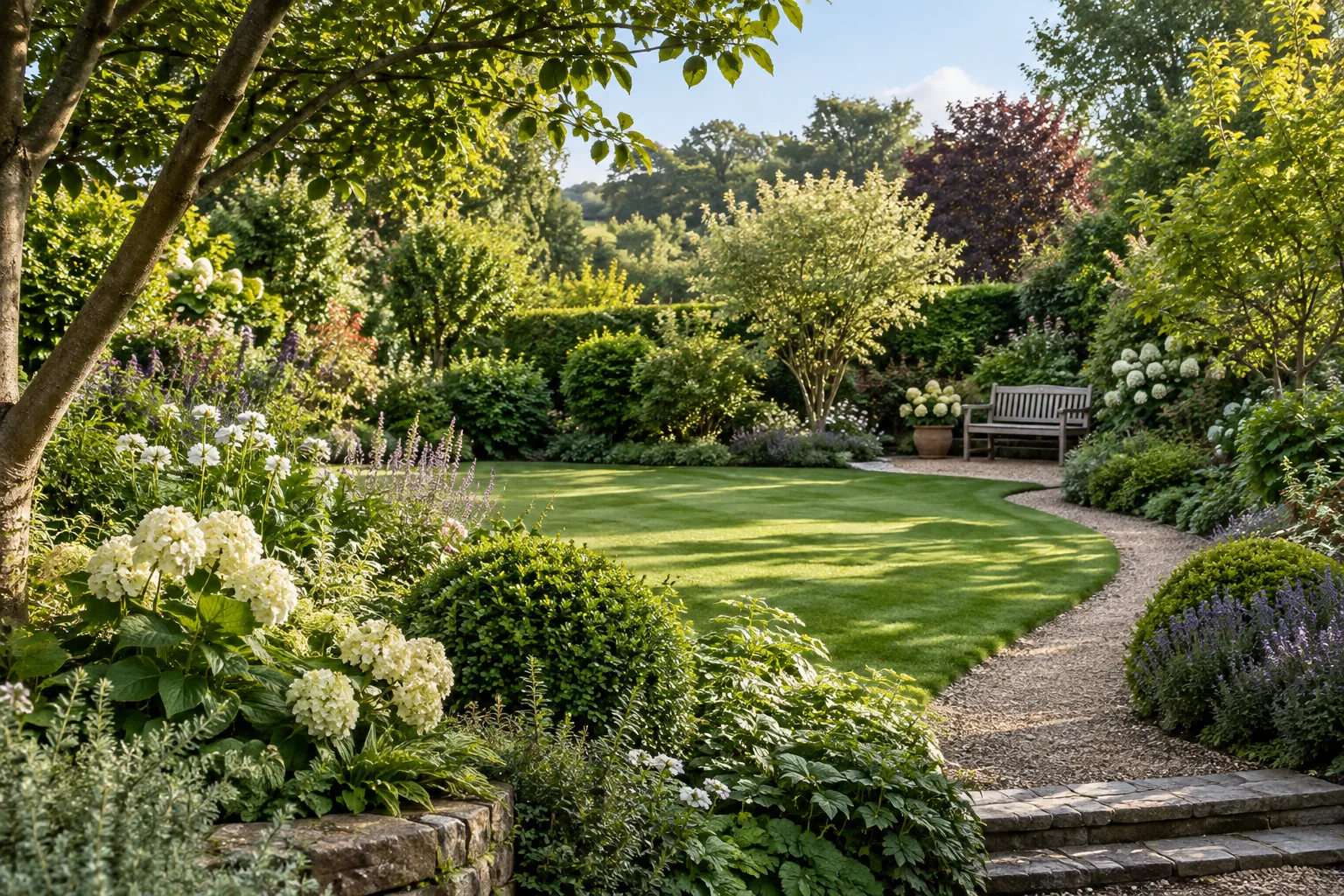
Investigate before replacing another plant
New planting is only successful if somebody can care for it after the work is complete. For a Woodford garden where pots struggle during holidays or recently planted shrubs repeatedly fail, start with the care available rather than buying replacements. Go Gardeners can discuss maintenance, selective recovery and planting-related tasks with a practical aftercare plan. Explain access to water, the time you spend in the garden and the plants you want to retain. That information helps distinguish a routine task from a change needed in the way the space is planted or managed.
Record what has failed, when it was planted and how it was watered. Photograph the plant and its surroundings, not just a damaged leaf. Light, moisture, root space and recent disturbance can all matter. A label saying a plant is easy to grow does not establish that its position is suitable. Replacing like for like without understanding the cause can repeat the same expense and disappointment.
Observe conditions across the garden. A border beside a wall may dry differently from an open bed, and one pot may drain more freely than another. Do not assume every Woodford property has one soil type or drainage pattern. Note where water collects after rain and how long it remains. If the concern is structural drainage or water near a building, ordinary maintenance is not a substitute for the appropriate assessment.
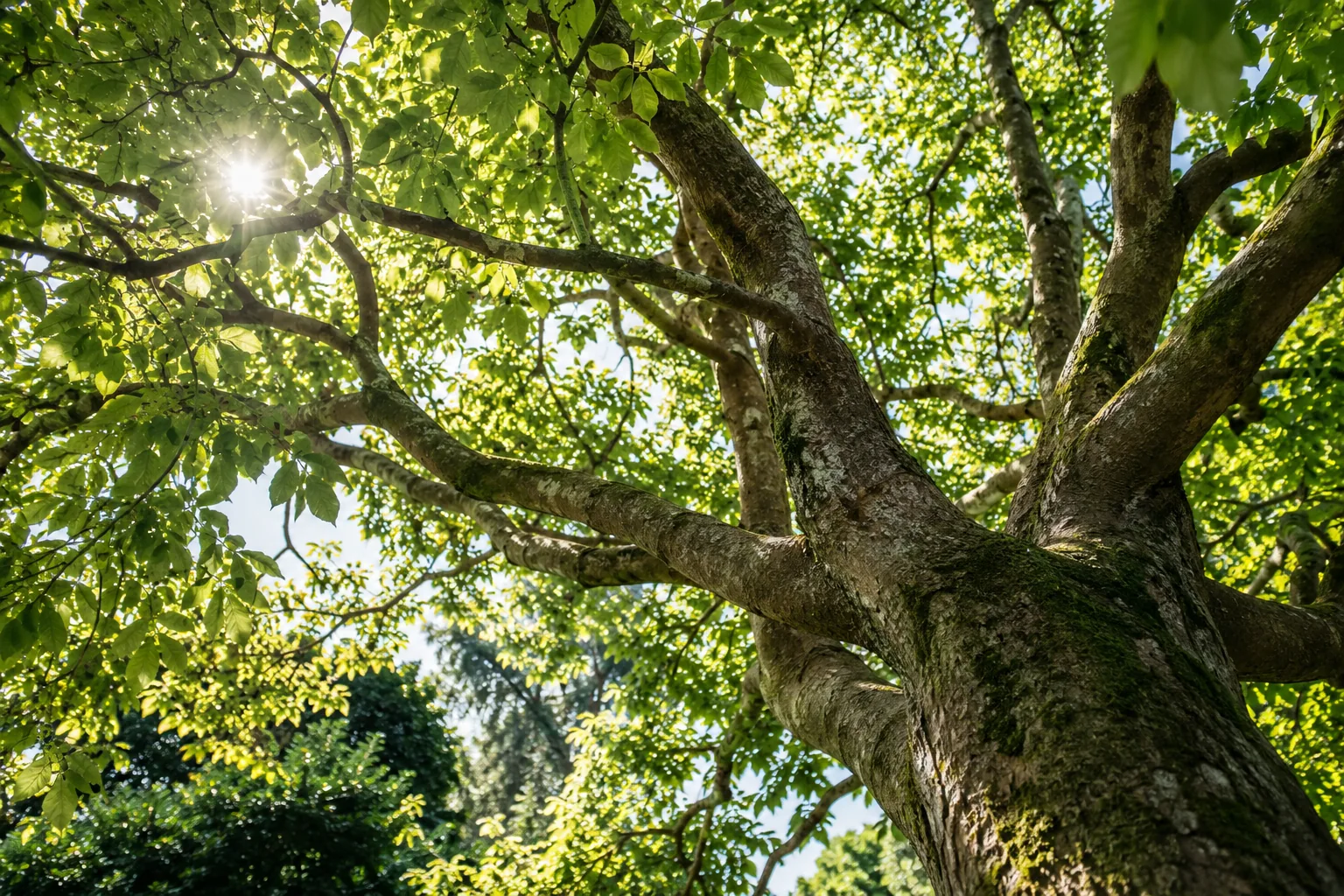
Containers: simplify the daily routine
The RHS container-watering guide explains why actual moisture checks matter. Establish who will check pots during warm weather and holidays. A scheduled gardening visit may help with pruning or repotting, but it cannot supply all the frequent care a collection of small containers may require. Be realistic about that commitment before expanding the display.
Consider whether each container has adequate drainage, sufficient root space and a suitable position. Grouping care needs sensibly can make the routine easier, but it should not create a crowded route or place plants in unsuitable light merely for convenience. If new containers or planting are proposed, agree the exact items and materials in advance. Do not expect an entire scheme to be selected and sourced during an ordinary appointment.
Build useful maintenance around the planting
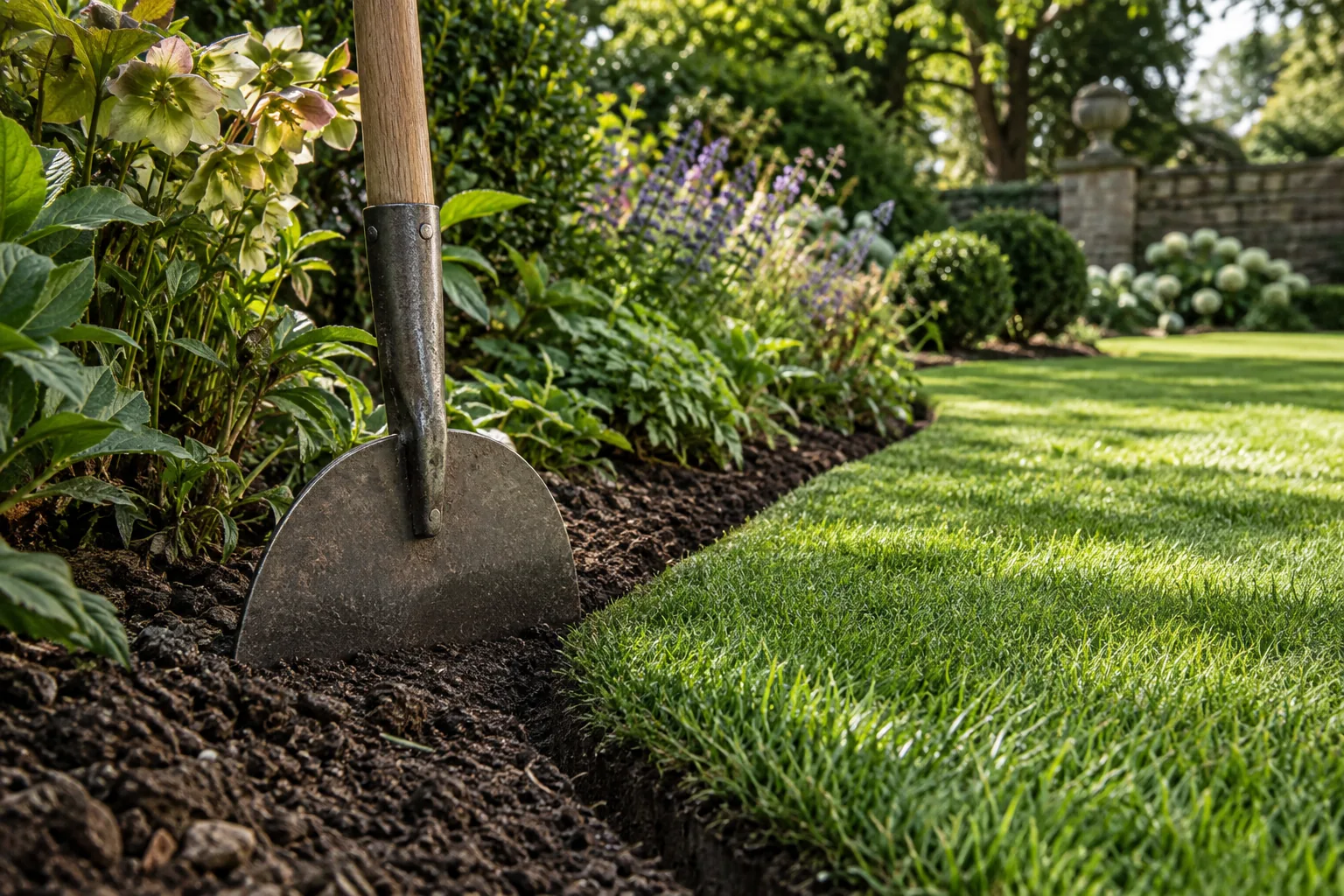
Garden maintenance can combine careful weeding, edging, mowing and suitable pruning. Rank tasks by their effect on use and plant care. A bed of emerging perennials needs a different approach from an open weedy strip. Mark valued seedlings, bulbs and young shrubs so they are not removed during a general tidy-up, especially if the gardeners have not visited before.
A one-off appointment can bring the workload back to a manageable point. Regular weekly, fortnightly or monthly care can then be discussed if growth repeatedly gets ahead of you. Choose the interval after considering the tasks you can handle yourself. A garden with sound structure may need routine upkeep, while a space planted beyond the household’s available time may need simplification through a separate design discussion.
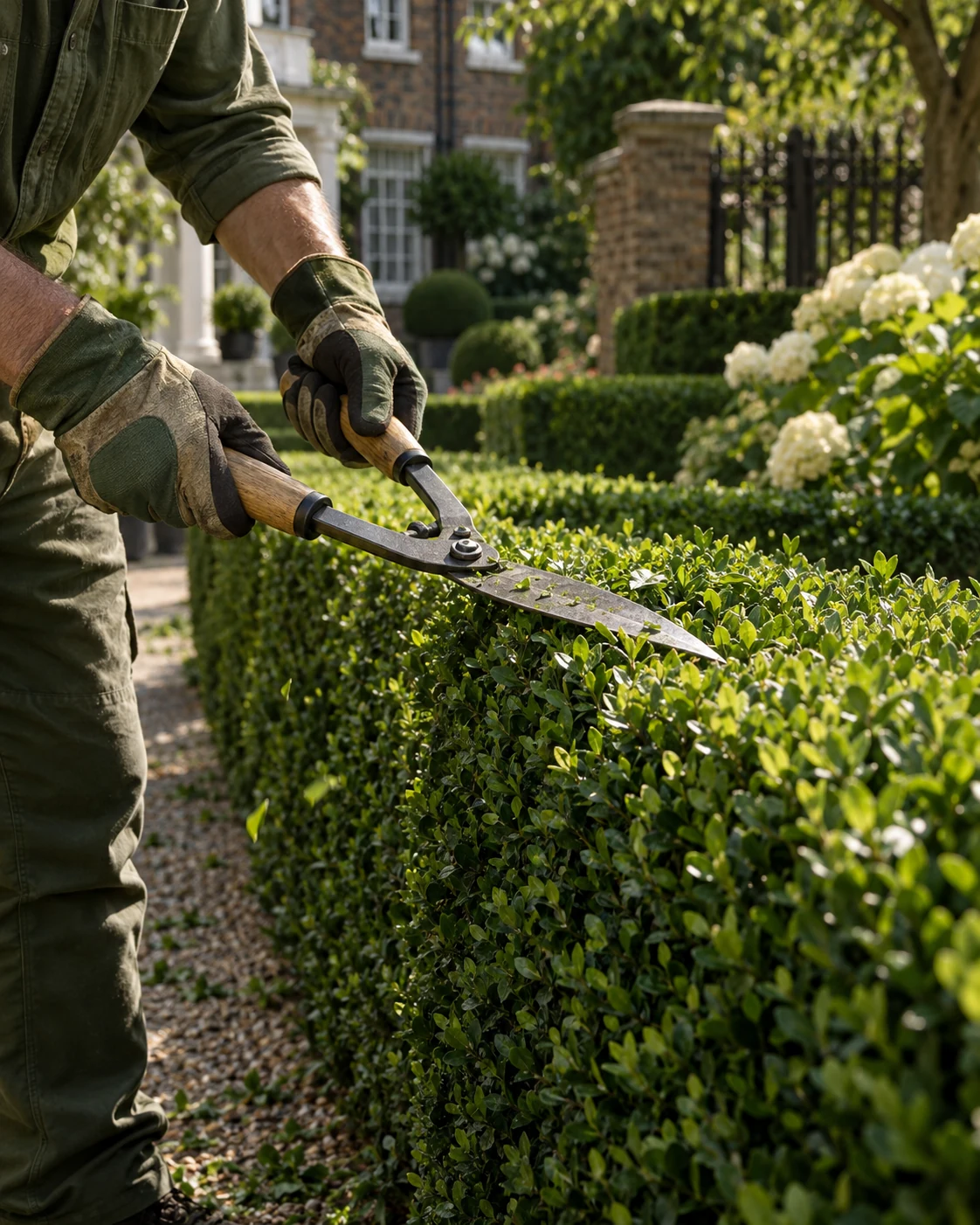
Woodford tree checks before pruning
For properties within Redbridge, the council’s tree-protection guidance gives the route to establishing tree status and required permission. Confirm the relevant authority for the exact address and resolve ownership before work. The district name or a tree’s position on private land does not itself establish that pruning is authorised.
Use tree surgery for high work or substantial branches. Include the whole tree, nearby structures and known restrictions in the enquiry. If a neighbour’s access is required, obtain agreement first. Also raise proposed digging or changes of level near retained roots before landscaping starts. Tree care cannot be reduced to making the crown smaller because a border below would benefit from additional light.
Lawns need their own observations
For lawn care, show the current grass length and areas that thin or stay wet. Explain use and mowing history. Recovery treatments need a reason; reseeding a heavily used shortcut may fail if the same traffic continues. A routine cut can improve presentation without promising to cure shade, drainage or wear. The useful scope separates ordinary mowing from any further improvement work.
In heat, grass may benefit from a higher cut or a pause rather than extra disturbance. In prolonged wet conditions, avoid unnecessary traffic on soft turf. Mark bulbs and any deliberately long patch. If the lawn’s role no longer suits the household, discuss garden design and landscaping for a considered change, with preparation and materials priced separately from the maintenance that keeps the existing surface manageable.
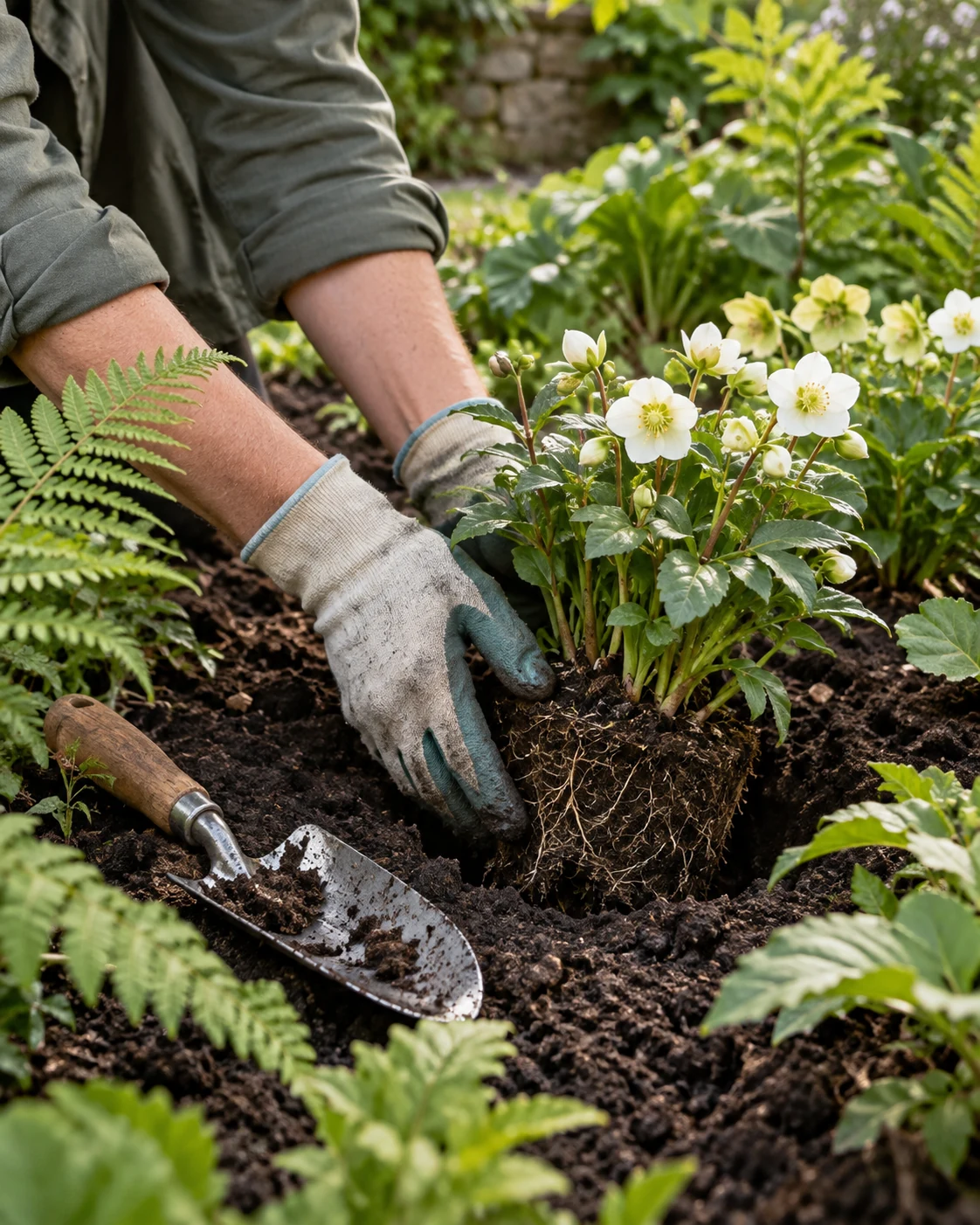
Clearance as a first step, not the whole plan
Where growth blocks access or hides the ground, garden clean-up may be appropriate. Define the area and mark plants to retain. Mention known wire, old edging or other hazards without entering concealed growth for a better picture. Reopening a route can reveal the condition of the rest, making a later decision more informed than a blanket instruction to remove everything unseen.
Clarify whether top growth, roots, stumps and mixed objects are included. They are different tasks. Decide what happens after clearance, particularly if the exposed area will remain bare for a while. Suitable planting or other ground management should reflect continuing care, otherwise the recovered bed can become another repeated clearance job. A manageable next stage is more valuable than a large ambitious scheme that cannot be watered or maintained.
Seasonal care should respond to weather
Spring work can protect emerging growth while controlling early weeds. Summer needs particular attention to new plants and containers between visits. Autumn leaf collection should prioritise grass and walking routes, with selected material retained where appropriate. Winter pruning depends on plant identity, and frozen or saturated ground can limit other tasks even where a date has been booked in advance.
Inspect hedges and dense shrubs for active bird nests before cutting throughout the year and defer affected work. Do not rely on a blanket month-based rule. Give the hedge’s height, length and access details, and identify the plant before substantial reduction. Some screens cannot be cut severely into old wood without lasting damage, so agree the desired outline with privacy and regrowth in mind.

Access and preparation for effective work
Provide the postcode, an overview, close views of problems and the full entrance route. Mention narrow gates, steps and shared passages. Confirm parking and permissions. Move light items safely, remove pet waste and identify irrigation, outdoor cables and fragile pots. Keep children and animals clear of tools. If the visit is unattended, agree entry and securing arrangements and provide a contact method for unexpected choices.
If planting is included, make the supply list exact and confirm it beforehand. Show where materials can be placed without blocking access. Explain the water source and who will provide aftercare. For sloping or terraced parts of your own garden, photograph the levels and working surface rather than assuming they are obvious from a view taken at the house. These are property-specific practical constraints, not assumptions about Woodford generally.
What influences the gardening price?
Maintenance, clearance and lawn care are published at £79 for the first hour and £65 per subsequent actual hour. The stated arrangement includes two gardeners, tools and bags, with up to 120 litres of green waste. Confirm extra removal. Check the live price guide and clarify postcode availability and any applicable area or congestion charge before the appointment is agreed.
Detailed work among plants, the density of growth, carrying distance and the requested finish affect time. Tree surgery, landscaping and jet washing have their own pricing arrangements. If the budget is limited, prioritise the task that prevents further difficulty and keep optional improvements separate. An extension depends on the schedule; a planned second visit can be more realistic than assuming every newly discovered job can be added on the day.
Woodford gardening questions
Need to discuss your own garden or property? Call with photographs and your postcode.
Ask about your visitCan a gardening visit tell me why every new shrub fails?
Provide the planting history, watering routine and photographs so the problem can be discussed sensibly. There may be several contributing factors, and no instant diagnosis should be promised from one symptom. Replacement should follow an understanding of the conditions rather than automatically repeating the same planting in the same place.
Is fortnightly care enough for a collection of pots?
It may help with agreed maintenance tasks, but many pots need moisture checks more frequently in warm weather. Arrange care between appointments and during holidays. If that is impractical, simplify the collection or reconsider the planting before adding more containers that depend on attention you cannot provide.
Can you repot plants if I supply the containers?
Agree sizes, compost and the exact plants beforehand. Show access and explain whether heavy pots must be moved. Material suitability and the work involved need considering in advance, rather than assuming any larger container and whatever compost is available will suit the plant or the location.
Should I prune a tree to reduce watering demands below it?
Tree work needs separate assessment and protection checks. Pruning is not an automatic solution for a dry border. Consider suitable planting, the site’s conditions and appropriate care, and establish whether any proposed tree operation is necessary, authorised and beneficial rather than relying on an assumed effect.
What if my garden has steep steps?
Photograph the whole route and give dimensions where space is restricted. Steps, changes of direction and working levels affect equipment and carrying time. Feasibility should be discussed before booking so the estimate reflects the property rather than just the visible area of planting.
Can planting be simplified without clearing the whole bed?
Identify useful structure and the plants demanding most attention. Selective removal or a staged redesign may be possible, but establish the intended result first. Keeping suitable established plants can reduce replacement and aftercare work compared with emptying a border before a realistic new scheme has been agreed.
Is extra waste removal included with repotting and pruning?
The published gardening allowance is up to 120 litres of green waste. Additional removal needs agreement, and old pots or mixed objects should be listed separately. Show likely material and confirm handling so a tidy planting area does not leave an unplanned disposal problem elsewhere on the property.
Which nearby areas are in the directory?
Wanstead, Chingford, Ilford, Walthamstow and Chigwell are listed in the coverage guide. Choose the appropriate page for another address and confirm its postcode directly. Service availability and practical access still need establishing for that property rather than inferred from proximity.
Match Woodford gardening to the care available
Call 020 3746 2449 with the postcode, photographs and the problems you want to stop repeating. Describe watering, access and the planting you value. Go Gardeners can discuss a practical appointment and a manageable next step that the garden can sustain after the visit.
Call 020 3746 2449Gardening nearby.
View all 60 coverage areas ↗Woodford on the map.
Approximate area centre for orientation. Call to confirm availability for your exact postcode.