
Gardeners
Chigwell
Treat a hedge as a living boundary with limits as well as uses. Balance privacy and usable space, distinguish light shaping from substantial reduction, and plan access, wildlife checks and the volume of material produced by cutting.
- Balance screening with usable garden space
- Distinguish hedge shaping from deep reduction
- Plan handling for bulky boundary clippings
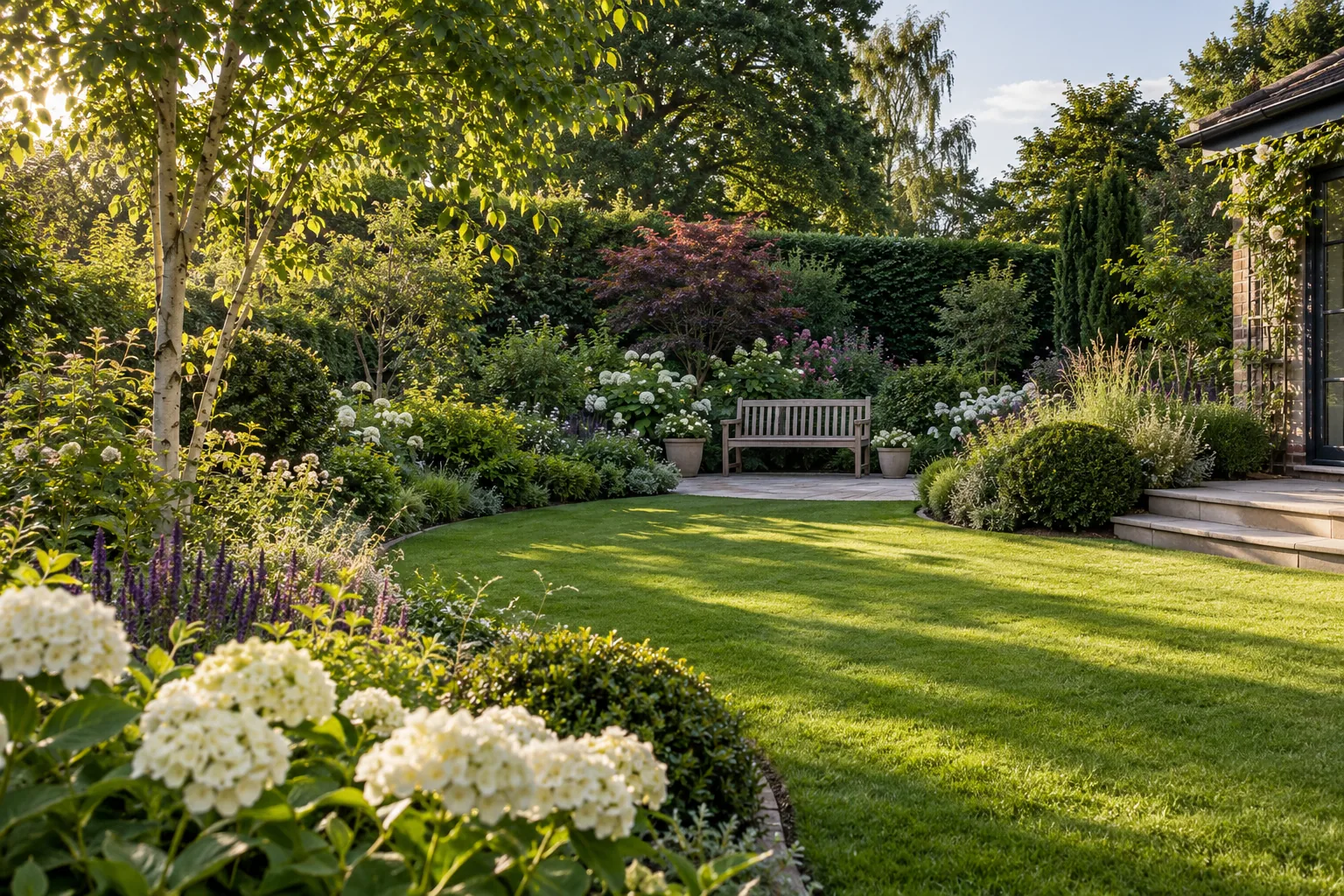
Define what the boundary needs to do
A hedge is a living boundary, not a wall that can always be cut back to any chosen line. Its species, age and previous treatment affect how well it responds to reduction. For a Chigwell gardening enquiry, Go Gardeners can discuss the screening you want to retain, the clearance you need and the difference between routine shaping and a substantial change. Show the whole hedge, its base and access on both sides. That is more useful than requesting a particular finished height before the plant and working conditions have been considered.
Is the hedge intended to screen a window, shelter a seating area or mark the edge of the garden? Those functions can require different shapes and heights. Explain what currently causes difficulty and what must remain private. Removing too much growth may solve an obstruction while losing screening that takes a long time to recover.
Garden maintenance can include suitable hedge care alongside other recurring work. Agree the intended faces and top, not simply an instruction to trim it all. Ownership and access need clarity, particularly where a boundary is shared or the outside face can only be reached from neighbouring land. A booking should not depend on assuming another property can be used without the appropriate agreement.
Shaping and reduction are different jobs
A light trim of recent growth differs from cutting into a woody framework. Some plants recover from harder pruning more readily than others, and an overgrown hedge may not tolerate the desired reduction without lasting bare areas. Identify the species where possible and show the depth of growth, previous cuts and any gaps.
Discuss the result realistically before work. If the plant has fundamentally outgrown its position, repeated clipping may not create a healthy permanent solution. A staged approach or separate replacement plan may deserve consideration. Where the hedge includes substantial tree growth, request the appropriate tree-surgery assessment rather than assuming all height work falls within routine gardening.
Chigwell trees and the district planning map
Epping Forest District Council’s interactive planning map includes Tree Preservation Orders and conservation areas. For a Chigwell property within the district, check the actual address and tree before proposed tree work. A hedge and a tree within or beside it should not automatically be treated as having the same legal position.
The government tree-protection guidance explains the national framework, including the need to establish applicable consent or notice. Resolve those requirements before relevant cutting. Private ownership and a desire for more light do not establish permission. Disclose known restrictions when enquiring and keep significant tree work separate from an ordinary maintenance list.
Check wildlife before approaching dense growth
Hedges and climbers can contain active nests that are difficult to see from a distance. Mention bird activity you have noticed, but allow for checks before work because conditions can change. Where a nest is being built or used, affected operations need deferring appropriately. A tidy boundary is not a reason to disturb it.
The government wild-bird protection guidance gives the relevant framework. Avoid assuming all hedge cutting is subject to one blanket calendar ban or that a date outside the main breeding months makes every operation lawful. Keep other priorities available for discussion if the main hedge task cannot proceed, without promising that a different part will always be suitable.
Measure access as well as hedge length
Provide approximate length and height, then show the ground along each face. Beds, ponds, steps, stored items and narrow passages affect working room. A hedge visible from a broad lawn can have an inaccessible far side. Mention slopes, fragile features and any area where equipment cannot be placed normally.
The route from parking matters for tools and waste. Photograph gates, tight turns and steps, including any shared passage or access through the home. Agree keys and security arrangements if you will be absent. Keep pets and children away from work and identify cables, irrigation and hidden objects. The estimate should account for handling rather than considering only the amount being cut.
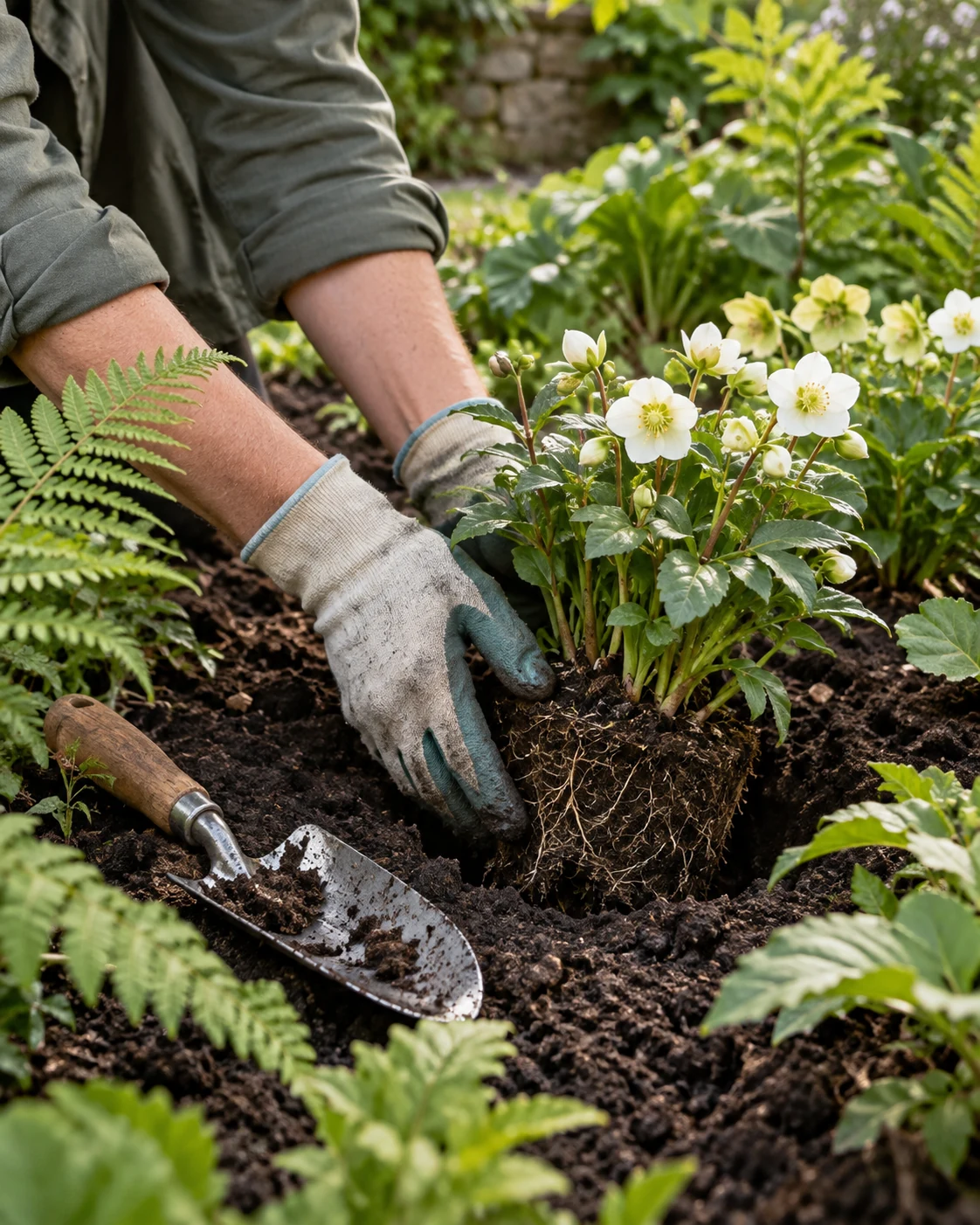
Waste can outweigh the apparent size of the job
A hedge that looks only slightly too wide can produce a substantial volume when both faces and the top are trimmed. A deeper reduction creates a different disposal task again. Show its depth and explain whether suitable material can remain on site. A composting area may be useful, but woody material and large quantities need considered handling.
Green waste must be distinguished from old fence panels, wire, rubble and household items revealed beneath growth. For more extensive garden clean-up, specify those materials separately. Agree where bags can stand without blocking routes and how additional disposal will be approved. Cutting is not a complete practical result if the clippings leave the boundary or entrance unusable.
Care beneath and beside the hedge
Grass and plants near an established hedge may experience shade and root competition, but observe your own site rather than assuming a universal problem. For lawn care, show the pattern of thinning and use. Seed or feed may not overcome unchanged conditions, and cutting grass lower will not solve poor light.
In borders, identify retained plants before weeding. A narrow strip may need suitable planting rather than repeated attempts to grow something unsuited to the conditions. Consider mature size and watering access. If the boundary arrangement needs a fundamental rethink, a separate garden design discussion can consider the whole space instead of treating each struggling plant in isolation.
A seasonal plan for more than hedges
Spring visits can tackle early weeds and protect emerging bulbs and perennials. Summer lawn work should respond to growth and moisture, with an agreed person checking containers and establishing plants between appointments. The RHS drought-care advice is useful when deciding whether temporary grass browning calls for restraint rather than replacement.
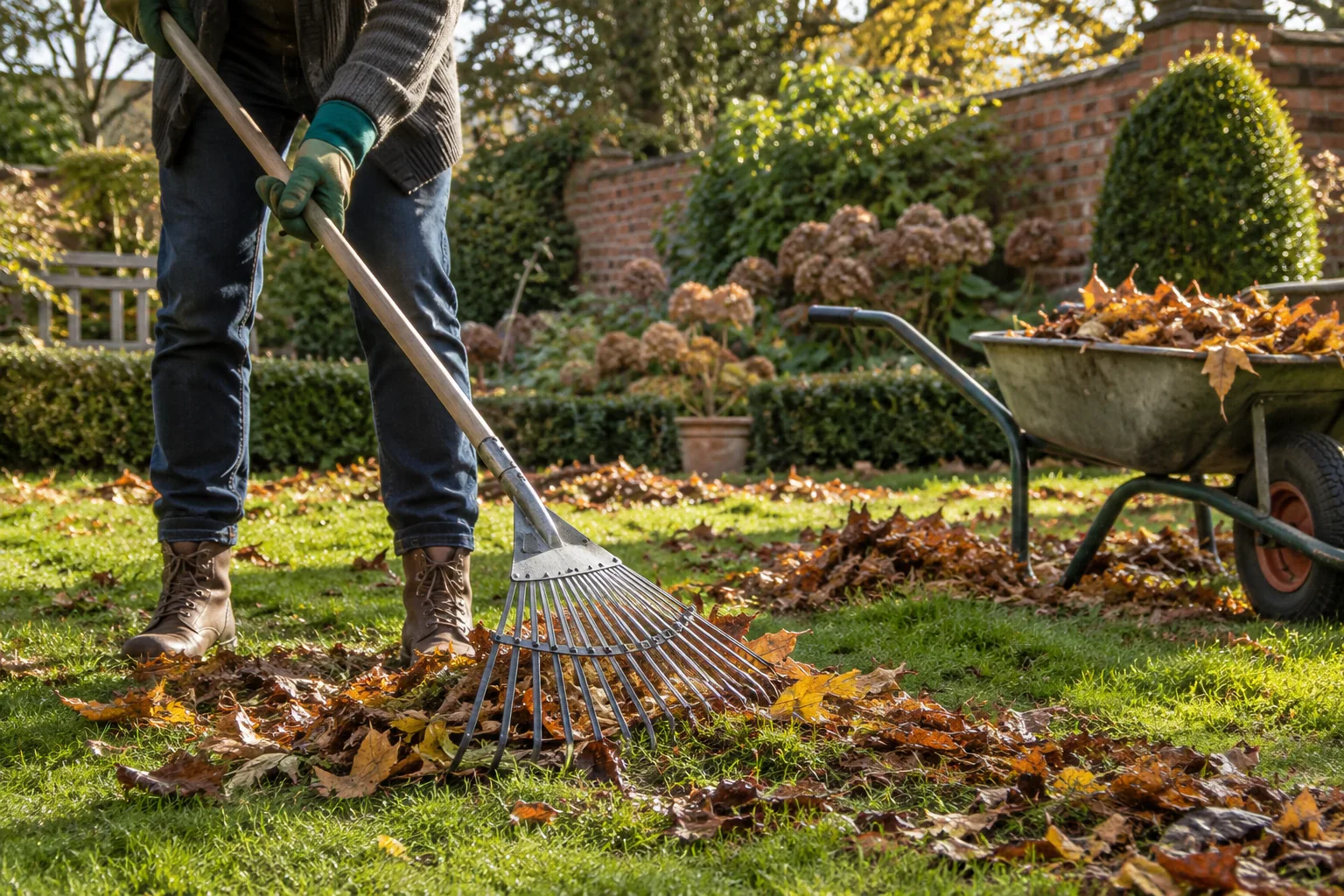
Autumn can focus on leaves, selective planting decisions and routes. Winter exposes structure but does not make every pruning operation suitable. Frozen or saturated ground can restrict work and carrying routes. A maintenance plan should retain flexibility for species, conditions and wildlife rather than forcing one boundary-cutting date to determine every other task in the garden.
Visit frequency and price confirmation
Weekly, fortnightly and monthly maintenance can be discussed according to workload and availability. Hedge work may be seasonal while mowing or weeding needs another interval. A one-off appointment suits a defined tidy or recovery stage. Explain the tasks you handle yourself so the schedule fills a real gap instead of duplicating your own work.
Published maintenance, clearance and lawn-care rates are £79 for the first hour and £65 per subsequent actual hour, with two gardeners, equipment and bags. Up to 120 litres of green waste is included; extra removal needs agreement. Consult the live prices page for the applicable service. Tree work and landscaping have separate quotation arrangements. Confirm postcode availability, parking and possible congestion charges. See coverage for Woodford, Chingford, Ilford and Walthamstow nearby.
Chigwell hedge and garden questions
Need to discuss your own garden or property? Call with photographs and your postcode.
Ask about your visitCan you take a very wide hedge back in one visit?
The species, condition, depth and desired reduction need assessment. Some hedges do not recover well from cutting into old wood. Discuss a realistic outcome before booking, including the possibility of staged work or a different long-term solution if the plant has outgrown its position.
Must both sides be trimmed at the same time?
Agree the appropriate scope and access. Work on one side may be practical, but ownership, plant health and the desired result matter. Do not assume access through a neighbouring property is included simply because it would make reaching the second face easier.
Can you retain screening while clearing a path?
Describe the minimum usable route and the privacy you need. Selective work may reconcile them, but the available space and hedge’s response to pruning impose limits. A reduction that leaves bare stems may not deliver the lasting screen you hoped to retain.
Does a tree within a hedge need a separate check?
Potentially, yes. Identify it and check applicable protection and the proposed operation. A hedge-trimming booking should not be treated as authorisation for significant work to a tree growing within it, particularly where a Tree Preservation Order or conservation-area requirement applies.
Can the clippings stay behind the hedge?
Only with an agreed suitable arrangement. A large heap can obstruct access or affect planting, and not every material is appropriate to leave untreated. Discuss volume and destination before work rather than assuming an unseen strip is an unlimited disposal area.
Why is grass thin next to my boundary planting?
Shade, roots, wear and moisture may contribute. Show the actual pattern and conditions. Lawn care can consider realistic options, but seed alone may not overcome the site. Appropriate alternative planting may be worth discussing where grass repeatedly fails.
What if the planned hedge contains a nest?
Identify the section where activity has been seen and tell the gardeners before they approach it. Leave the nest undisturbed and defer cutting that would affect it. Discuss how screening will remain intact while work waits, then agree whether other work elsewhere is suitable. A fresh nest check is still needed before later hedge cutting; the original observation does not establish that the hedge is clear.
Can routine care continue between hedge visits?
Yes, discuss separate priorities for grass, weeds and planting. The whole garden need not follow the hedge’s cutting interval. Review the workload through the year so recurring tasks remain manageable and plant-specific work happens at an appropriate time.
Discuss the boundary you want to keep in Chigwell
Call 020 3746 2449 with the postcode, hedge dimensions and photographs of both faces and access. Explain the screening and usable space you need. Agree a suitable scope, wildlife and tree checks where relevant, waste handling and the service’s price basis before cutting.
Call 020 3746 2449Gardening nearby.
View all 60 coverage areas ↗Chigwell on the map.
Approximate area centre for orientation. Call to confirm availability for your exact postcode.