
Gardeners
Chingford
Plan gardening around established planting and seasonal leaf work. Chingford guidance covers hedge dimensions, shaded lawns, selective leaf collection and tree checks, helping you agree a practical visit and an appropriate plan for the material produced.
- Give hedge height and length early
- Separate leaf clearance from leaf retention
- Review shaded grass realistically
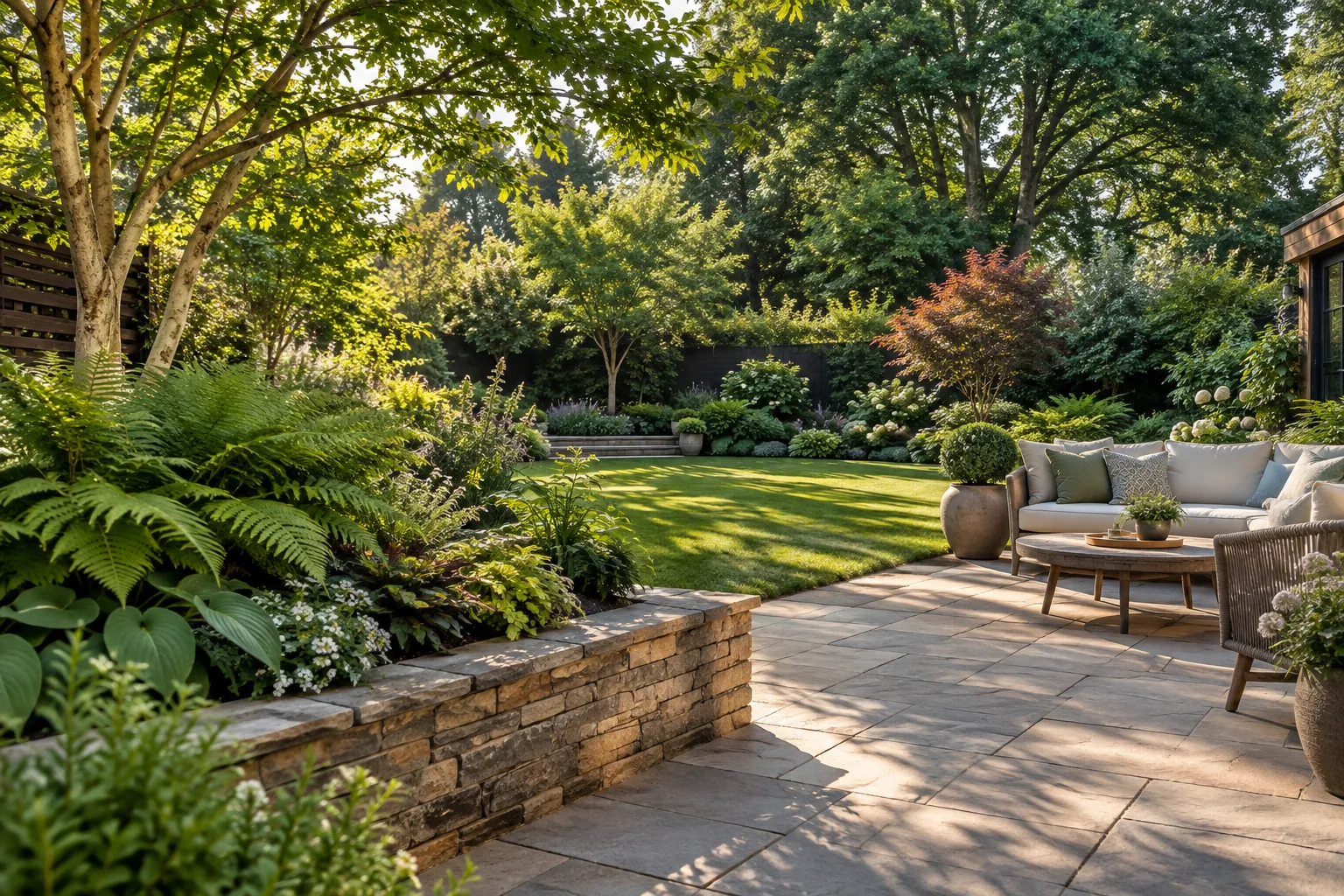
Make leaf work purposeful
Leaves, shade and established woody planting can create more gardening work than a lawn’s size suggests. If those are the main demands in your Chingford garden, describe them when enquiring rather than booking on area alone. Go Gardeners can discuss routine upkeep, a seasonal appointment or a defined clearance, with attention to what should remain. Take a wide view of the planting and show where material will be carried out. A good brief explains the cycle of work through the year, including the tasks you can manage yourself and those that repeatedly accumulate.
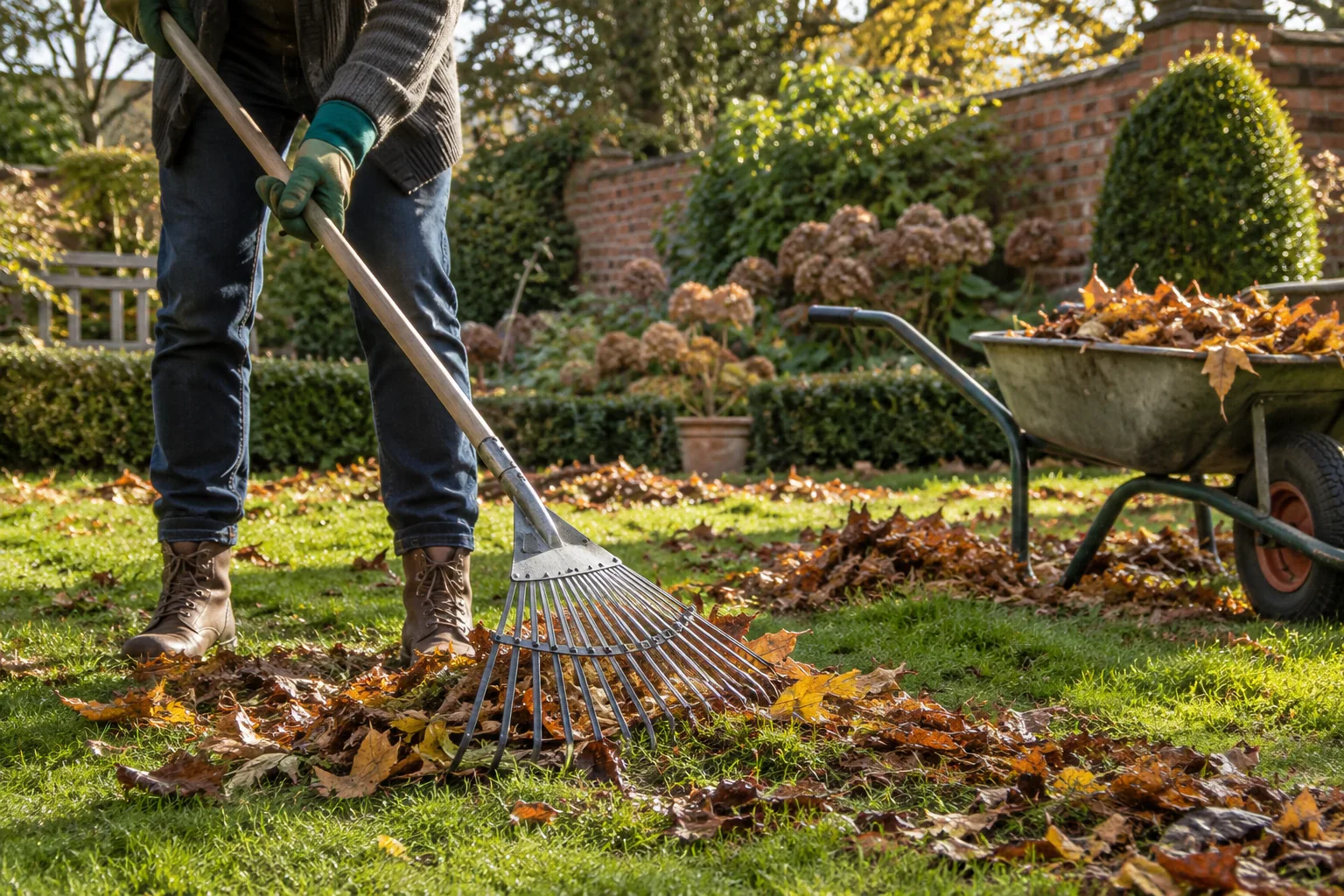
Start by distinguishing where leaves cause a problem from where they can remain usefully. A damp layer on a walking route or a thick covering on grass needs a different response from a few leaves under shrubs. Agree the finish before work. “Remove all leaves” can create a larger task and waste volume than keeping the essential surfaces clear while retaining suitable material in planted areas.
If you would like leaves collected for leafmould, identify a suitable place that will not block access or drainage. Keep the practical handling in mind: loose leaves can be bulky even when light, and repeated collection may be more manageable than one late attempt after everything has become wet and compacted. Garden maintenance can include agreed seasonal collection alongside other routine tasks, with waste arrangements confirmed in advance.
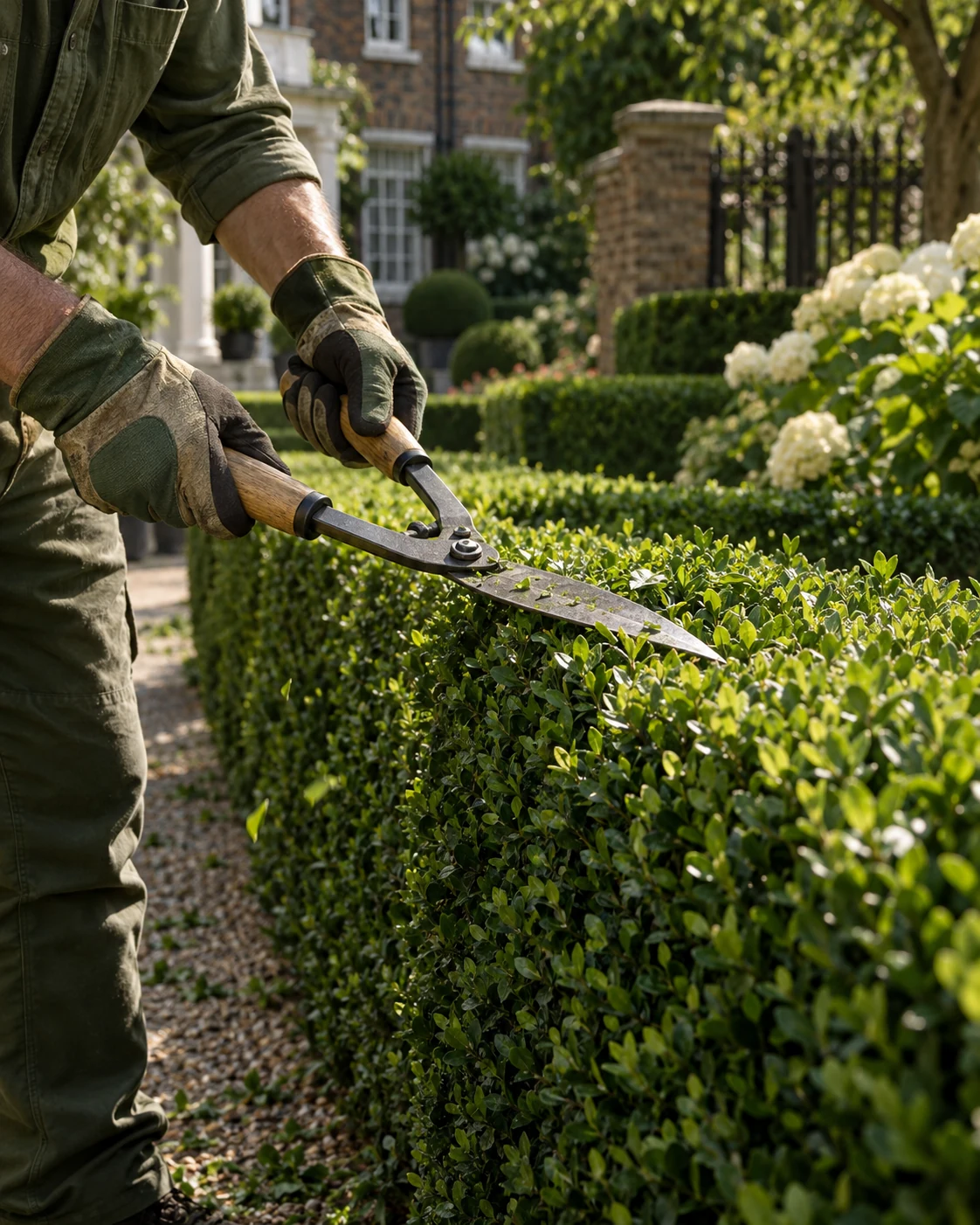
Hedges need dimensions and access information
Measure or estimate the hedge’s height and length and photograph both ends. Explain whether the top can be reached safely and whether the outside face is accessible. Planting beneath a hedge, a sloping surface or a narrow path may affect how work is done. A tall boundary is not adequately described by “just a trim”, especially if its width has increased over several years.
Identify the plant before discussing substantial reduction. Some hedges respond to renovation, while others may leave permanent bare areas if cut into old wood. Agree retained privacy and the desired outline rather than asking for the maximum possible cut. Inspect for active bird nests before work at any time of year and defer affected operations where necessary. Other gardening tasks can be considered while a nesting section remains undisturbed.
Tree work: checks before the appointment
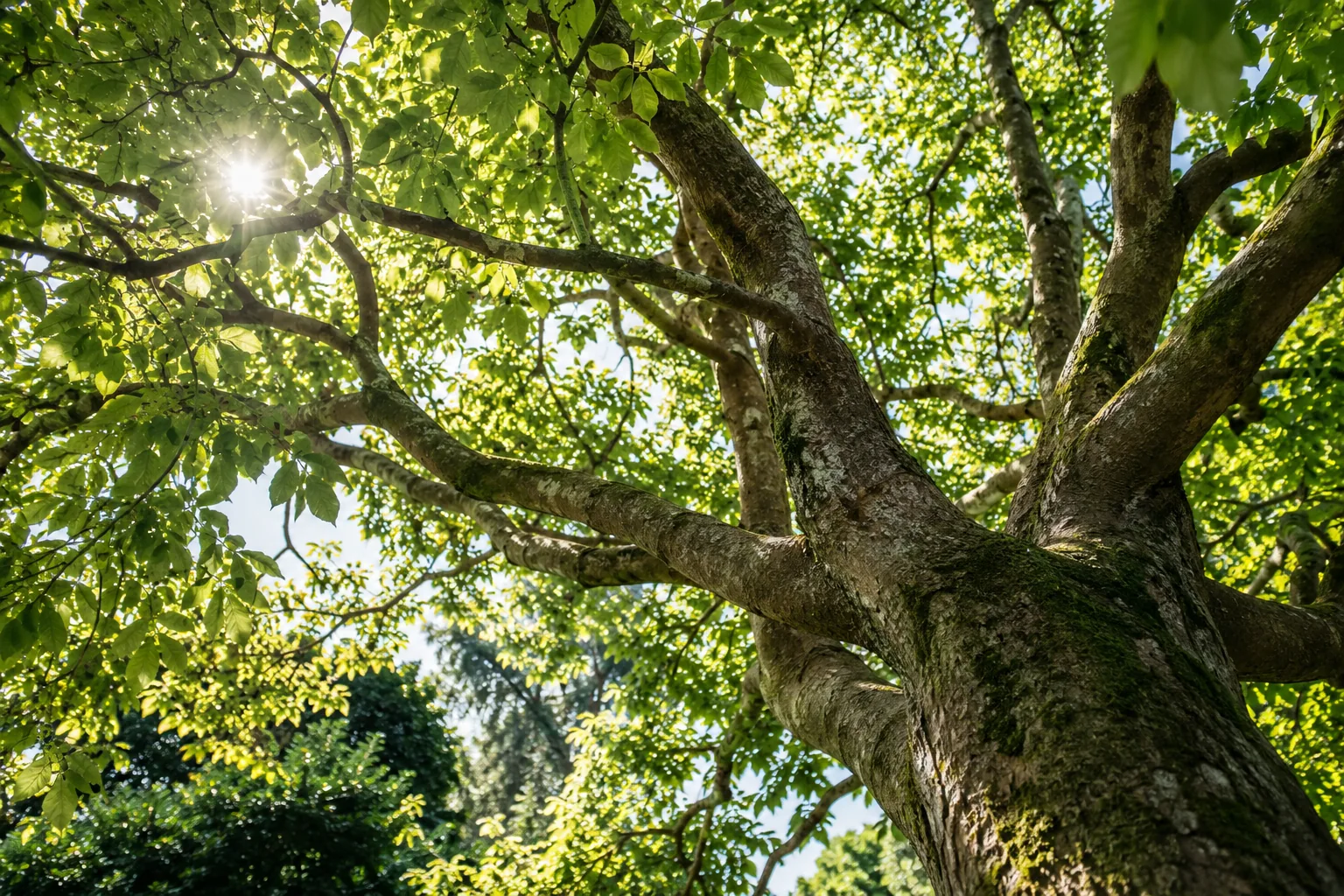
For a Chingford property, use Waltham Forest’s tree-protection guidance to check the relevant tree and conservation status. Council tree information distinguishes public responsibilities from private trees. Do not assume woodland nearby establishes ownership or permission for a particular garden tree.
Request tree surgery for substantial branches, high work or concerns about a mature tree. Send the whole tree and nearby structures in photographs, not only the branch you want removed. Mention known protection and resolve required consent or notice first. Avoid excavating or changing levels around established roots as an incidental gardening task; proposed changes need appropriate consideration before equipment starts disturbing the ground.
Managing grass where conditions vary
Show shaded sections and worn routes separately when discussing lawn care. The open middle and the strip under a canopy may need different expectations. Record when grass was last cut and whether the ground stays wet. A useful plan distinguishes mowing from improvement work and does not promise that seed, feed or a very short cut will resolve every thin patch.
In dry conditions, grass may need less disturbance; in wet conditions, walking and machinery can make damage worse. Keep a selected long area clearly marked and identify bulbs in the turf. If a patch is mainly serving as a route, consider whether changing that route is more useful than repeatedly repairing the grass. A durable layout solution belongs in a separate discussion, with construction and levels assessed properly.
Borders below established planting
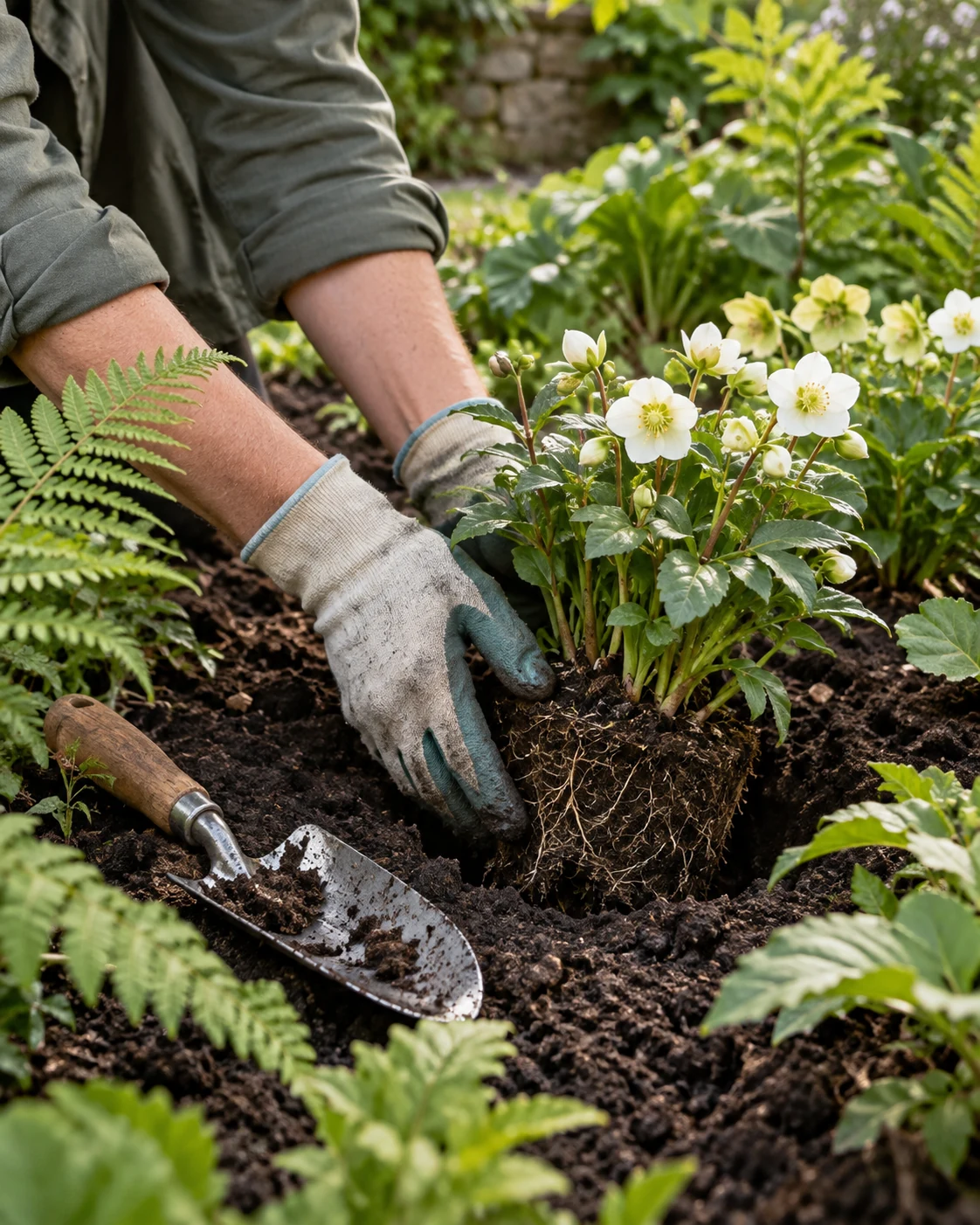
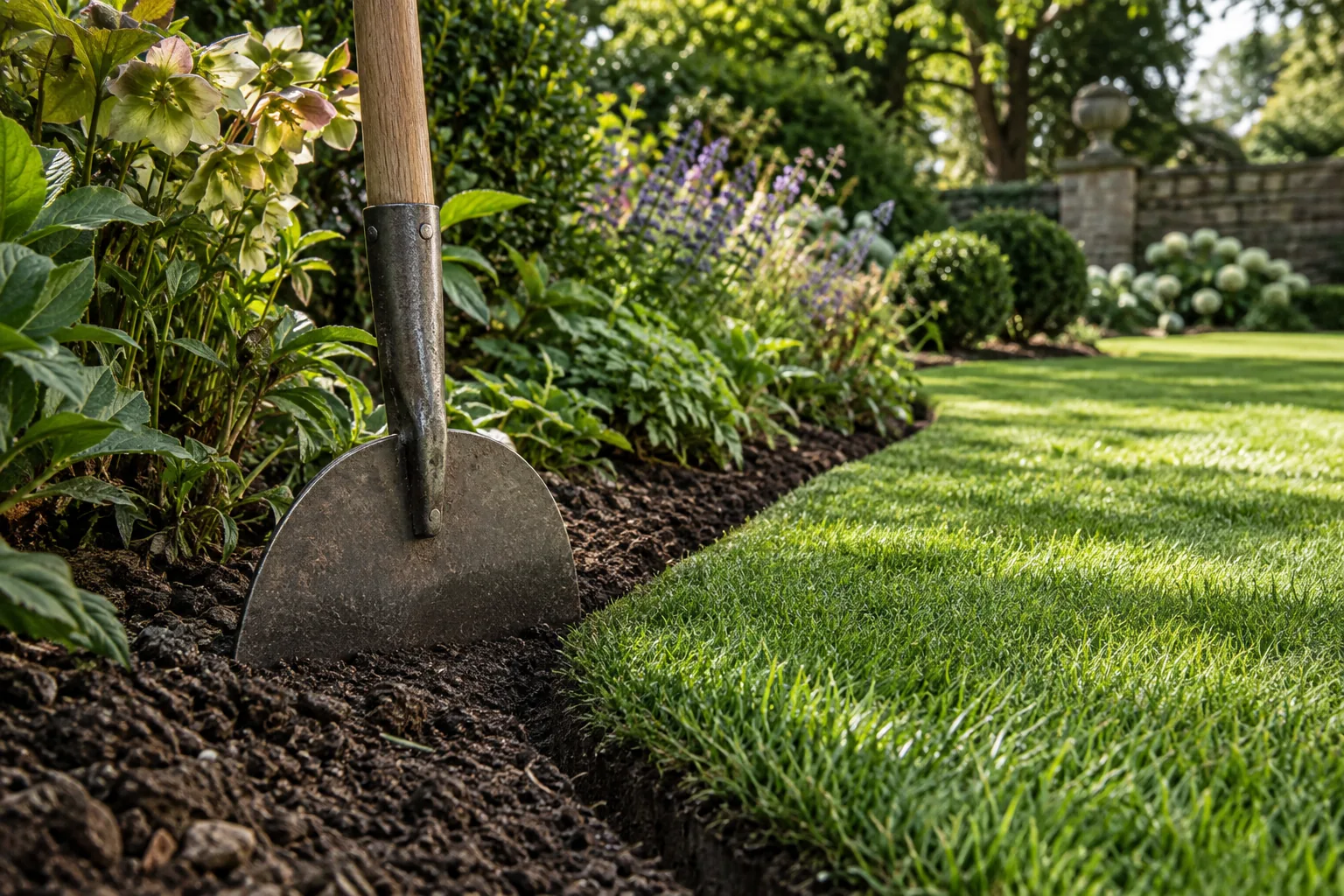
Watch the garden over a day and through the season before choosing new plants. Shade and moisture can vary within a few steps. A bed beside a wall may be dry even after rain, while an open patch may stay wet. Record what already thrives. Do not assume one soil type or one planting list applies across Chingford or even across your own garden.
Remove unwanted growth carefully around existing roots and retain plants that are doing useful work. If the bed needs a new scheme, garden design and landscaping can consider light, access and future maintenance before materials are ordered. Adding more plants is not automatically an improvement if nobody can water them while they establish or if their mature size will recreate the same crowding problem.
When the job becomes clearance
Dense growth that prevents access or hides the ground may require garden clean-up rather than ordinary upkeep. Explain where steps, edging and stored objects are believed to be. A selective first stage can reveal enough to plan the next one. Mark retained shrubs and avoid stepping into concealed areas simply to produce a more complete photograph for the enquiry.
Agree whether the job removes visible growth only or includes a further defined preparation. Stumps, roots and hard waste need explicit consideration. For a substantial recovery, decide the part that should be usable first and allow for later work if necessary. A one-off clearance can establish a starting point, but continued growth means the garden will still need an appropriate routine afterwards.
Organise seasonal care and household preparation
Weekly, fortnightly and monthly gardening can be discussed, with a list that changes through the year. Spring weeding should protect new shoots. Summer pruning needs to suit the plant and weather. Autumn collection may become a priority, while winter visits need to respect frozen or saturated surfaces. If most of the work is concentrated in a particular season, a planned one-off appointment may fit better than an unnecessary identical schedule year round.
Before the visit, show steps, gates and the route from parking. Mention shared passages and any required permissions. Move light loose items where safe, clear pet waste and mark cables or irrigation. Keep children and animals out of the working area. If you will be away, agree entry and locking arrangements and provide instructions that distinguish retained habitat or leaf piles from material expected to be removed.
Understand the time and waste calculation
The published maintenance, lawn care and clearance rates are £79 for the first hour and £65 for each subsequent actual hour on site. Two gardeners, tools and bags are described, with up to 120 litres of green waste included. Additional removal must be confirmed. Check the current price guide and clarify postcode availability, area charges and any applicable congestion charge before booking.
Long hedges, careful hand work and a lengthy carrying route can increase time. Seasonal leaf volume can also change the waste requirement considerably. Tree surgery, landscaping and jet washing have different rates or quotation arrangements. If several services are needed, keep their scope clear and ask what takes priority within your budget. Extra time on the day depends on scheduling; a follow-up is sometimes the practical way to complete the plan.
Chingford gardening questions
Need to discuss your own garden or property? Call with photographs and your postcode.
Ask about your visitCan leaves be retained for leafmould?
Identify a suitable collection point and discuss the method before the visit. It should not obstruct a path, gate or drainage feature. Material management takes space, so check the arrangement is practical for your garden rather than assuming every collected leaf can be accommodated on site.
Should every border be cleared of fallen leaves?
The answer depends on planting and the agreed finish. Paths and grass may be the immediate priorities, while suitable leaf cover can remain elsewhere. Explain any plants that need particular care and distinguish intentional retention from areas you expect the gardeners to clean out.
Why do you need both hedge height and length?
They describe different aspects of the workload. Access to the top, the number of faces and the volume of cuttings also matter. A long low hedge can create substantial work, while a short high section can present a more complex access problem despite its smaller footprint.
Can a lawn under trees be improved without pruning them?
Discuss the grass, wear and growing conditions first. Appropriate lawn care or a different use of the space may be possible. Tree pruning should not be treated as an automatic first response, particularly where protection, ownership or the tree’s condition makes the proposal unsuitable.
Does nearby woodland affect permission for my garden tree?
Use the tree’s actual position, ownership and protection status. Proximity alone does not settle the issue. Check council guidance and any relevant landowner requirements before work, and provide the precise location so an enquiry is not confused with a tree outside your property.
Can you inspect growth hiding old steps?
Describe the steps and any known hazards from a safe position. A clearance can begin cautiously to reveal the route, but avoid entering concealed ground for photographs. Once exposed, damaged steps may need a separate repair assessment rather than being considered safe simply because vegetation has been removed.
Can I book only autumn work?
A defined seasonal appointment can be discussed. State whether the objective is leaf collection, lawn care or another task and send current photographs. Timing and weather still need consideration, and the quantity of material should be part of the waste agreement rather than left open-ended.
Which nearby areas are included?
Walthamstow, Woodford, Edmonton and Chigwell appear in the coverage directory. Use the appropriate page for another property and confirm its postcode directly. Each enquiry needs its own service and access details, and directory inclusion does not guarantee an immediate appointment.
Plan Chingford care around the year’s real workload
Call 020 3746 2449 with photographs, the postcode and the seasonal tasks that need help. Include the hedge dimensions, tree information and a view of the carrying route where relevant. Go Gardeners can discuss a useful visit and the practical handling of the material it will produce.
Call 020 3746 2449Gardening nearby.
View all 60 coverage areas ↗Chingford on the map.
Approximate area centre for orientation. Call to confirm availability for your exact postcode.