
Gardeners
Sutton
Keep the gardening you enjoy and arrange help for the work that has become demanding. Review reach, access, mowing and heavy containers, then choose practical maintenance or a separately planned layout change that reduces recurring effort.
- Hand over demanding tasks selectively
- Assess reach and access before changes
- Keep replacement planting manageable
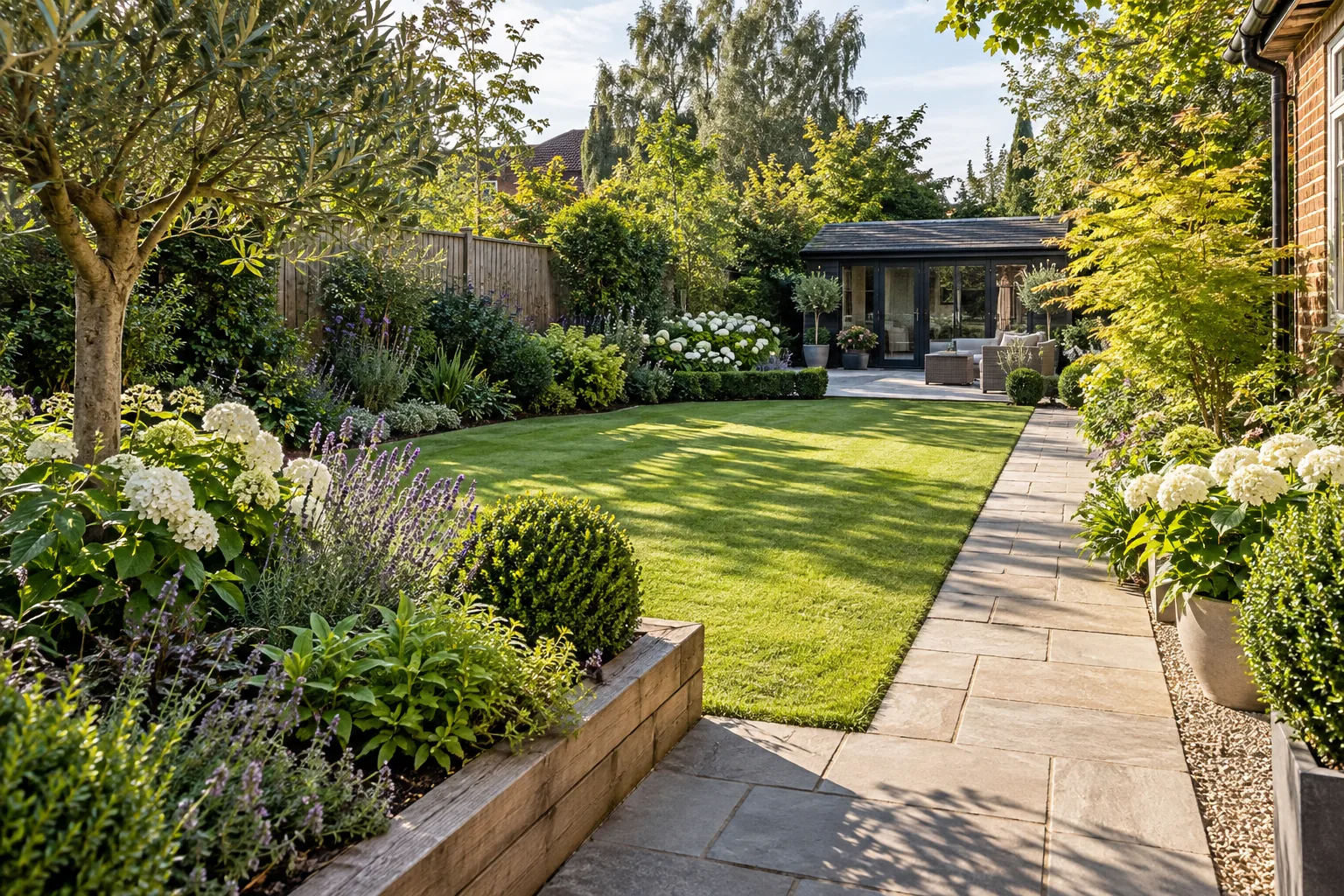
Audit the workload before changing the garden
A garden that suited you ten years ago may now ask for more bending, lifting or mowing than you want to do. Reducing that workload begins with identifying the difficult tasks, rather than replacing every planted area with something advertised as effortless. Go Gardeners can discuss Sutton maintenance around the work you would like help with and the gardening you still enjoy. A recurring appointment, a selective recovery or a separate design enquiry can serve different purposes. Explain what has become demanding and what you want to keep doing yourself.
List the jobs you postpone and why. Reaching the back of a wide bed is different from finding time to mow, and moving heavy pots is different from light deadheading. The cause matters when choosing help. A maintenance arrangement can take on recurring work, while an awkward layout may need a more lasting change.
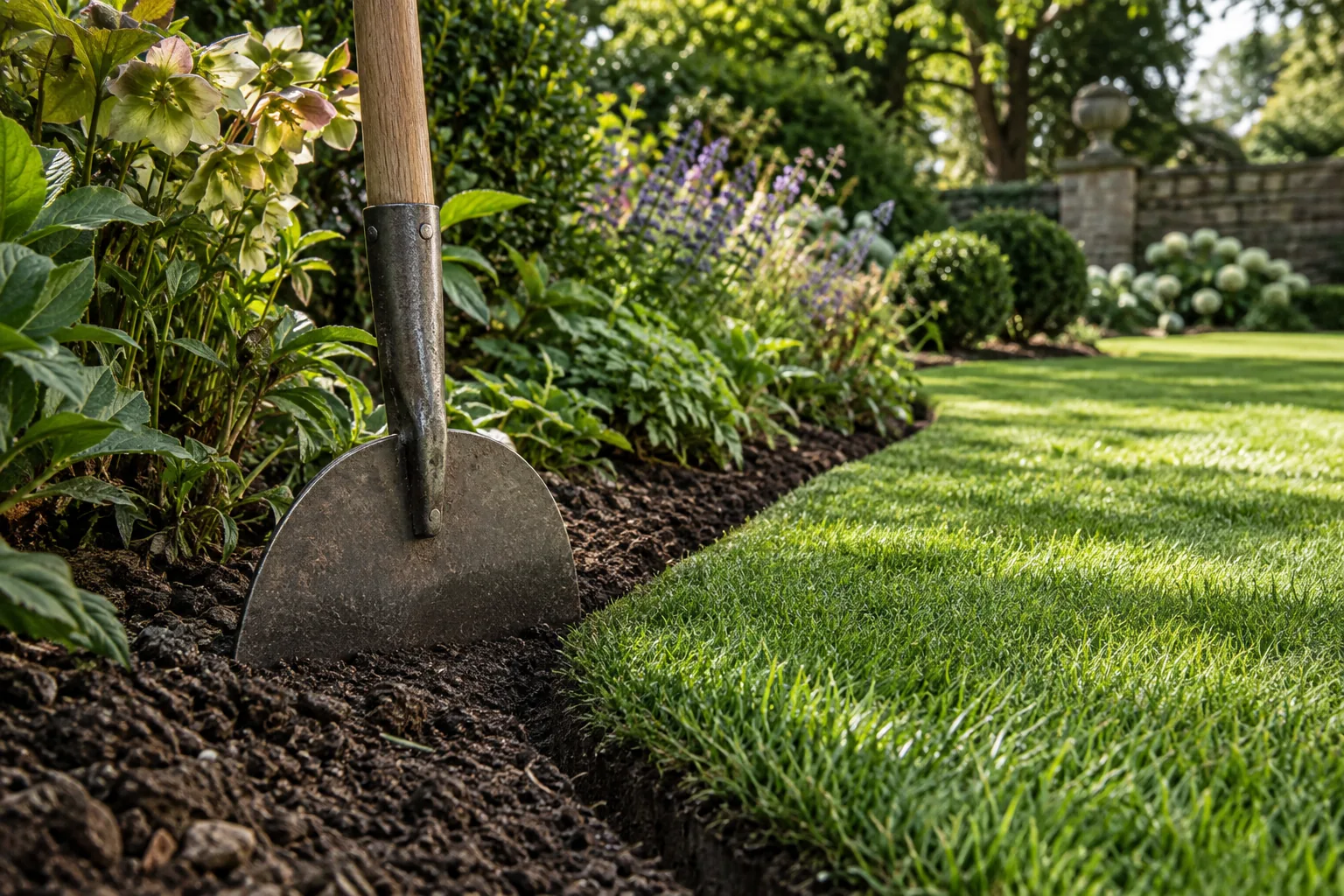
For garden maintenance, describe both the tasks and the intended benefit. Keeping a route clear, defining a border edge and reducing weed competition can make your own work easier. Identify favourite plants and areas you still want to tend. The aim need not be to eliminate gardening; it can be to retain the parts you find manageable and worthwhile.
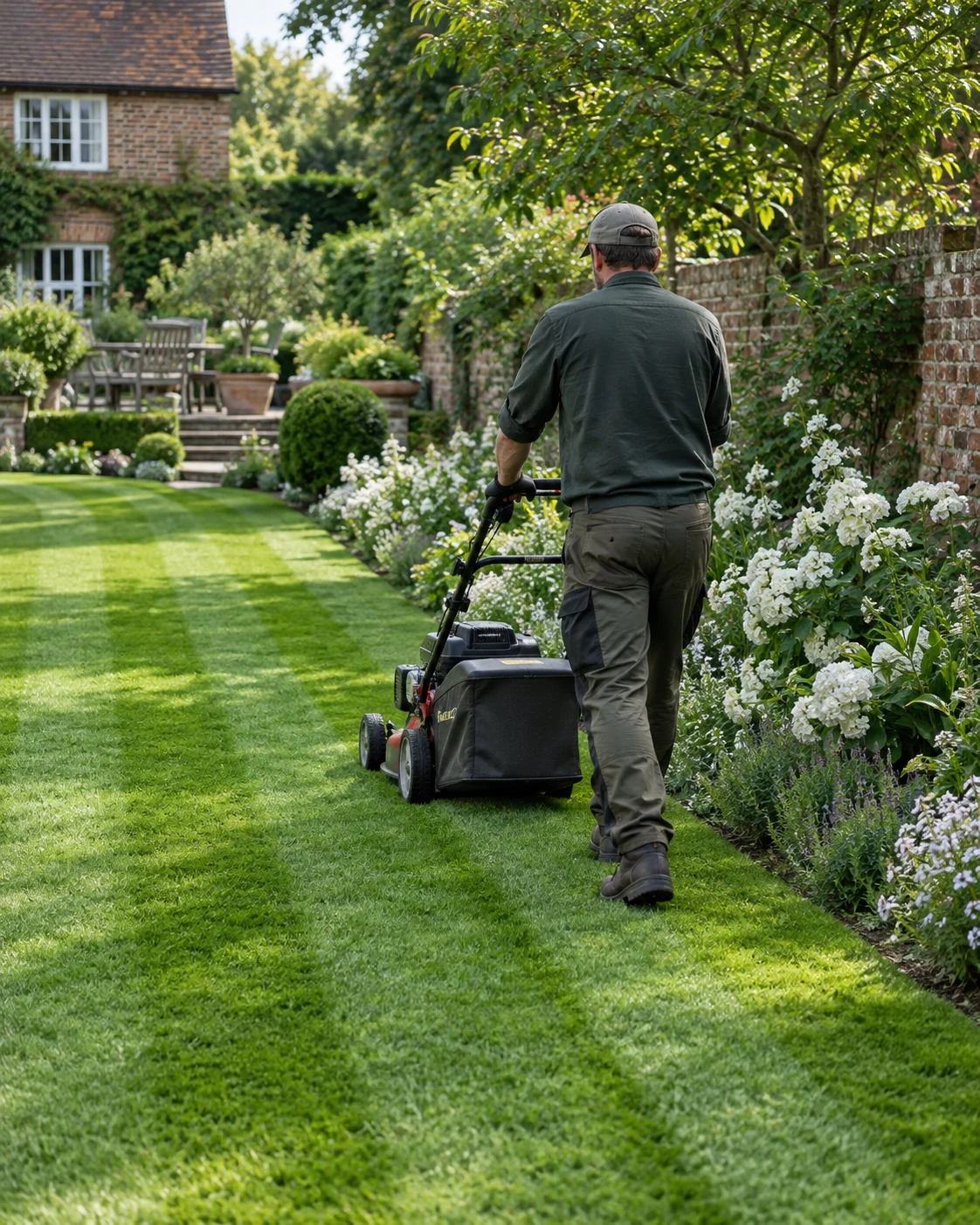
Clear access before adding new features
A usable route helps with watering, composting and enjoying the garden. Show gates, steps and narrow sections when enquiring. Explain which routes you need daily and which are occasional. Selective trimming and edging may restore room, but unstable paving or a damaged step requires the appropriate repair assessment.
Avoid making an informal gardening brief responsible for structural accessibility changes. If the route itself needs redesign, discuss garden design and landscaping as a separate scope. Surface choice, levels and dimensions deserve planning rather than a quick improvised fix. Maintenance can keep an agreed route clear; it cannot promise to make every existing layout suitable through cutting alone.
Make planted beds easier to reach
A crowded bed can be difficult because plants have outgrown the available space. Mark the valued plants and identify where you cannot safely reach. Selective weeding and appropriate pruning may help, while permanent changes need a decision about what should remain. Do not reduce every shrub to the same shape simply to create an immediate appearance of order.
If replacements are considered, look at mature size, light and moisture requirements. Smaller at purchase does not mean smaller permanently. A reduced planting palette may be practical, but it still needs establishment care. Agree who will water and check new material between appointments before removing established plants that currently look after themselves reasonably well.
Sutton tree protection before pruning
Sutton Council’s applying for tree works guidance asks owners to check protection before work, including Tree Preservation Orders, conservation areas and planning conditions. This is relevant when a proposed Sutton gardening job includes a garden tree. Check the actual property and tree rather than assuming private ownership removes restrictions.
The council also provides local requirements for protected-tree applications. Resolve any required consent or notice before scheduling cutting. Significant pruning or removal belongs in a separate tree-surgery enquiry. Reducing future leaf collection or lawn shade may be a reason for discussion, but does not establish that an operation is permitted or appropriate.
Lawn work and the effort around it
For lawn care, show the full outline and obstacles, including furniture, beds and tight corners. A simple lawn can still be awkward if equipment must be carried through several doors. Explain which items can be moved beforehand and which cannot. Loose objects and pet waste should be removed where safe before mowing.
Distinguish regular cutting from lawn improvement. Moss, bare patches and persistent wetness need consideration of use, shade, compaction and drainage. Repeatedly buying seed may not resolve unchanged conditions. In dry weather, a higher cut or pause can be appropriate; the RHS lawn drought guide explains why temporary browning does not automatically mean the lawn needs replacing.

Heavy containers and materials
If moving pots or lifting materials is part of the problem, describe it before booking. Include dimensions, construction and the route to the intended position. A planted pot can be much harder to handle than an empty container. Do not assume that ordinary gardening includes lifting any object you would prefer not to move yourself.
Repotting, new planting and supplying materials need an explicit scope. Agree what will be bought, by whom and how it will arrive. Avoid ordering heavy items before handling has been assessed. Sometimes changing the position of a container is useful; sometimes reducing the number of pots is a more manageable long-term choice. The right answer depends on your use and the plants involved.
Recovery without creating more work
Where neglected growth blocks a section, garden clean-up can restore access. Define the section and identify retained plants. Disclose known rubbish, wire, glass and damaged structures. Green waste should be separated from non-green items in the brief, with an agreed handling arrangement for each.
Plan what happens after the cutting. A large bare bed may demand more weeding than the previous established planting. Consider whether to recover one manageable section at a time. Cutting vegetation, removing roots and preparing soil for planting are different tasks. A staged first visit can reveal the garden’s condition without committing you to a larger project or an aftercare burden you did not intend.

Fit the schedule to the work you want to retain
Regular weekly, fortnightly or monthly care can be discussed according to availability and growth. You might keep light planting tasks while gardeners handle grass, edges and appropriate heavier work. Write down that division. It should be clear who checks containers, who moves furniture and who deals with weeds between visits if needed.
A one-off appointment can test a new arrangement or address a seasonal list. Review its usefulness before setting the next interval. Spring weeds, summer growth and autumn leaves create different demands, while winter ground conditions can restrict access. Before cutting dense hedges or shrubs, check active nesting and defer affected work. Seasonal planning should allow that flexibility rather than promise identical work on every date.
Charges and practical booking information
Published maintenance, clearance and lawn-care rates are £79 for the first hour and £65 for each subsequent actual hour on site. The arrangement includes two gardeners, equipment and bags, with up to 120 litres of green waste. Extra removal needs agreement. Read the current prices page for the requested service; tree work and landscaping use separate quotes.
Confirm postcode availability, parking and possible congestion charges. Send the entrance route, including steps and tight doors, as well as the garden. Identify cables, irrigation and fragile features, and arrange to keep pets and children away from the work. See coverage for nearby approved locations including Wimbledon, Croydon, Epsom and Kingston upon Thames. Exact address and appointment details still need confirming.

Sutton gardening questions about reducing workload
Need to discuss your own garden or property? Call with photographs and your postcode.
Ask about your visitCan I keep the tasks I enjoy and book help for the rest?
Yes, describe that division clearly. A maintenance brief can focus on mowing, heavier work or recurring weeding while you keep lighter tasks. Review responsibilities through the year so watering or seasonal care is not accidentally assumed to belong to someone else.
Does low-maintenance mean removing all the planting?
No. Established suitable planting can be less demanding than large bare beds or many containers. Consider the actual sources of work first. A separate design discussion may help if the layout is unsuitable, but blanket removal can create new watering and weeding obligations.
Can you help when I cannot reach the back of a border?
Show its depth, access and planting. Selective maintenance may be practical, while a recurring reach problem may justify changing the arrangement. Do not assume the solution is a severe cut of every plant; identify which growth or layout feature is causing the difficulty.
Will you move my heavy pots before mowing?
Disclose them in advance and show their dimensions and position. Handling needs assessment and agreement. Moving substantial planted containers should not be an unexpected addition to a routine mowing brief, especially where steps or fragile surfaces are involved.
Can I reduce the lawn gradually?
A staged change may be worth discussing through a separate design scope. Consider what replaces it and who will maintain that area. A smaller lawn does not automatically reduce work if it creates intricate edges, thirsty containers or a large bare planting bed.
What if the route is damaged as well as overgrown?
Identify both problems. Vegetation work can be scoped, but unstable paving or steps require appropriate assessment and repair. Safe access may need resolving before gardening can use the route, so do not conceal the defect beneath a general tidy-up request.
Can a monthly visit cover autumn leaves?
The useful interval depends on the amount and location of leaf fall. Routes and lawns may need attention between appointments while trees are shedding. Agree what you can manage and adjust the plan rather than assuming one scheduled collection will keep surfaces clear all month.
How do I prevent a first visit becoming too large?
Choose a clear first outcome, rank the tasks and agree how extra time or waste will be approved. A completed manageable section can be more useful than superficial work everywhere. Review what it changes before extending the scope or buying replacement plants.
Arrange Sutton gardening around a manageable workload
Call 020 3746 2449 with your postcode and the tasks you would most like to hand over. Explain the gardening you want to retain, the access and any heavy items. Agree a practical first visit and price basis, then use its result to shape continuing care.
Call 020 3746 2449Gardening nearby.
View all 60 coverage areas ↗Sutton on the map.
Approximate area centre for orientation. Call to confirm availability for your exact postcode.