
Gardeners
Greenford
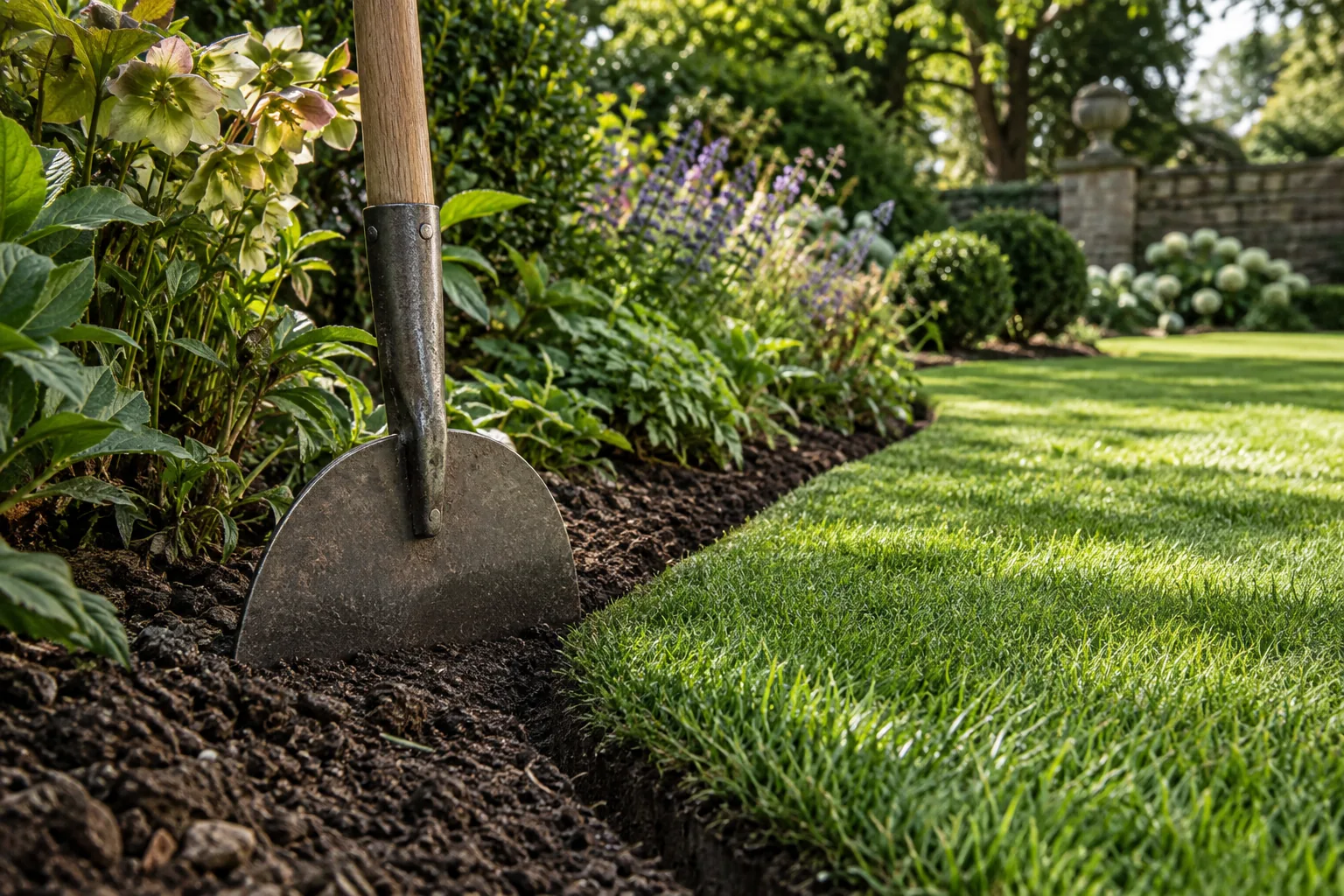
Bring borders and edges back into the routine alongside mowing. Greenford garden care can address worn grass routes, selective weeding and boundary growth, with realistic choices about recovery work, ongoing maintenance and the conditions in your own garden.
- Address worn routes before repairing grass
- Keep borders in the maintenance routine
- Plan marked patches of longer grass
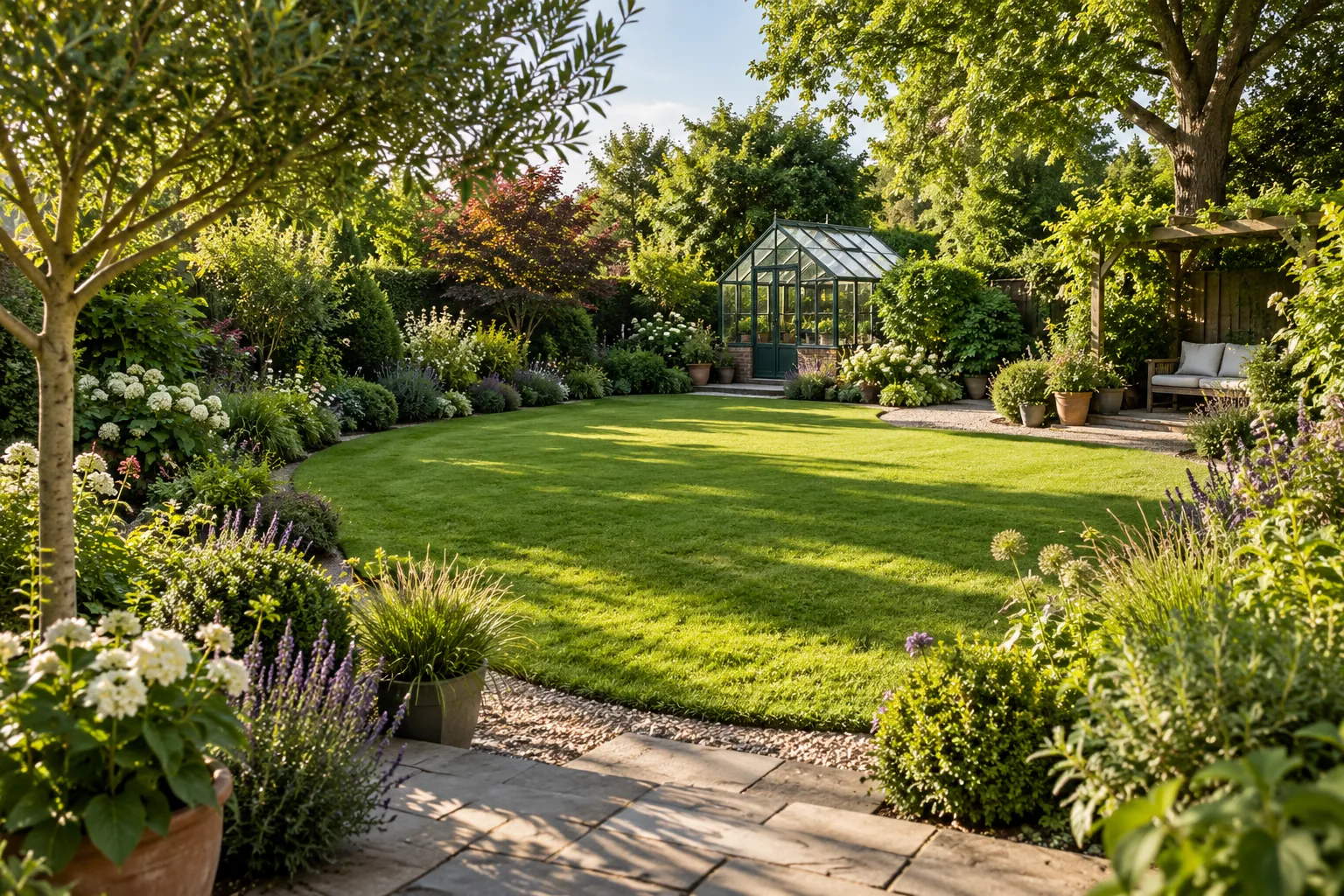
Treat the lawn as part of the garden
When lawn care takes all the available gardening time, the edges, shrubs and beds often slip further behind. A Greenford maintenance plan can spread that work more sensibly. Go Gardeners can discuss help with the tasks you cannot keep up with, beginning with the areas that affect everyday use. Show the size and condition of the grass, but include the borders, storage routes and garden entrance too. The whole working space matters when deciding what a visit should achieve.
Mowing can make an immediate visual difference, but the finish depends on the edges and the way the lawn meets paths and beds. Identify where you want a crisp boundary and where a softer planted edge should remain. Mention buried edging, roots or low objects before work. A mower should not be expected to discover hazards concealed in long grass.
If the grass has become difficult to manage, explain when it was last cut and send close photographs as well as a general view. Lawn care can be discussed for recurring problems, while garden maintenance can combine mowing with other routine tasks. The distinction helps when the real concern is patchy growth rather than merely the length of the grass on the appointment day.
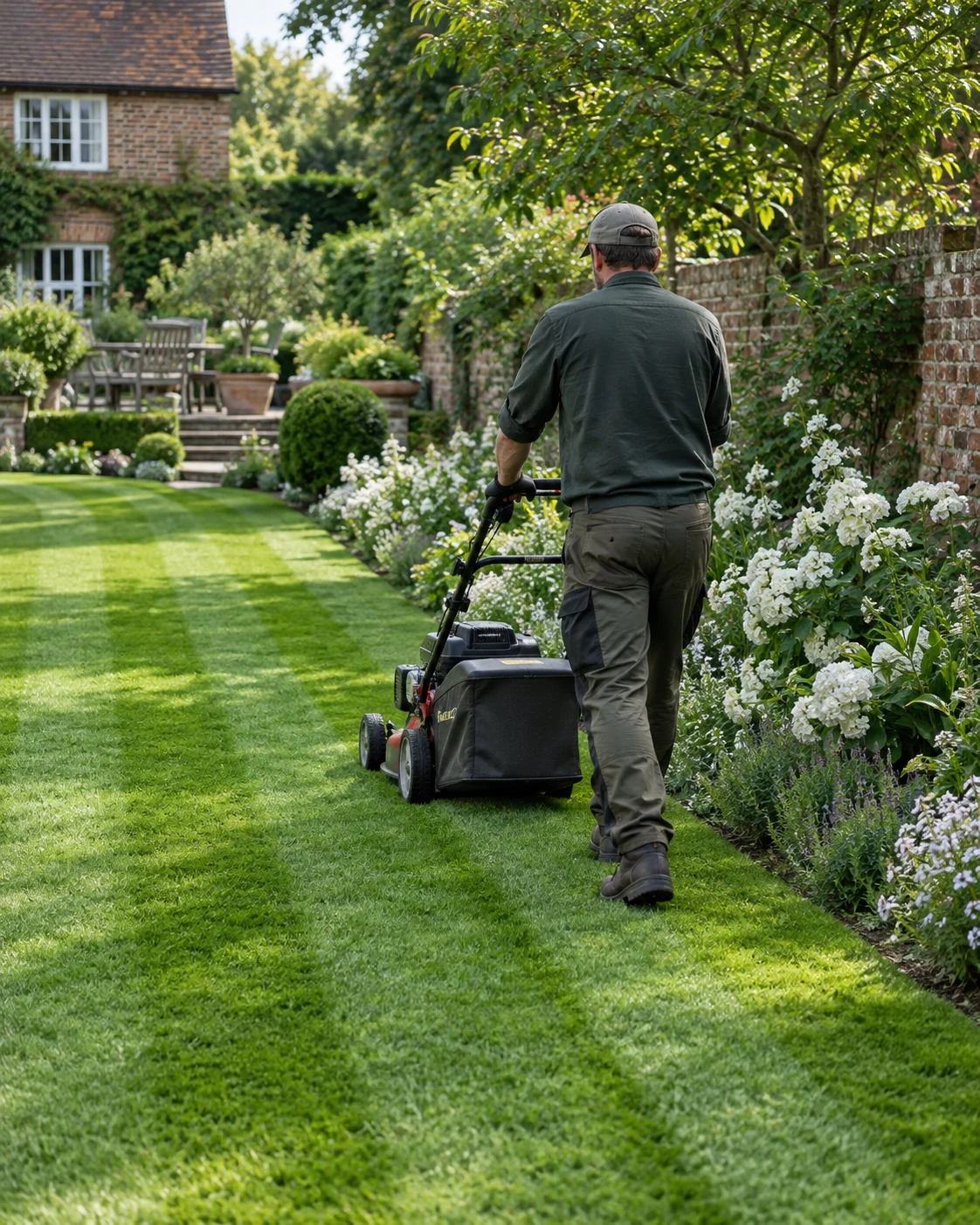
Understand the worn route before repairing it
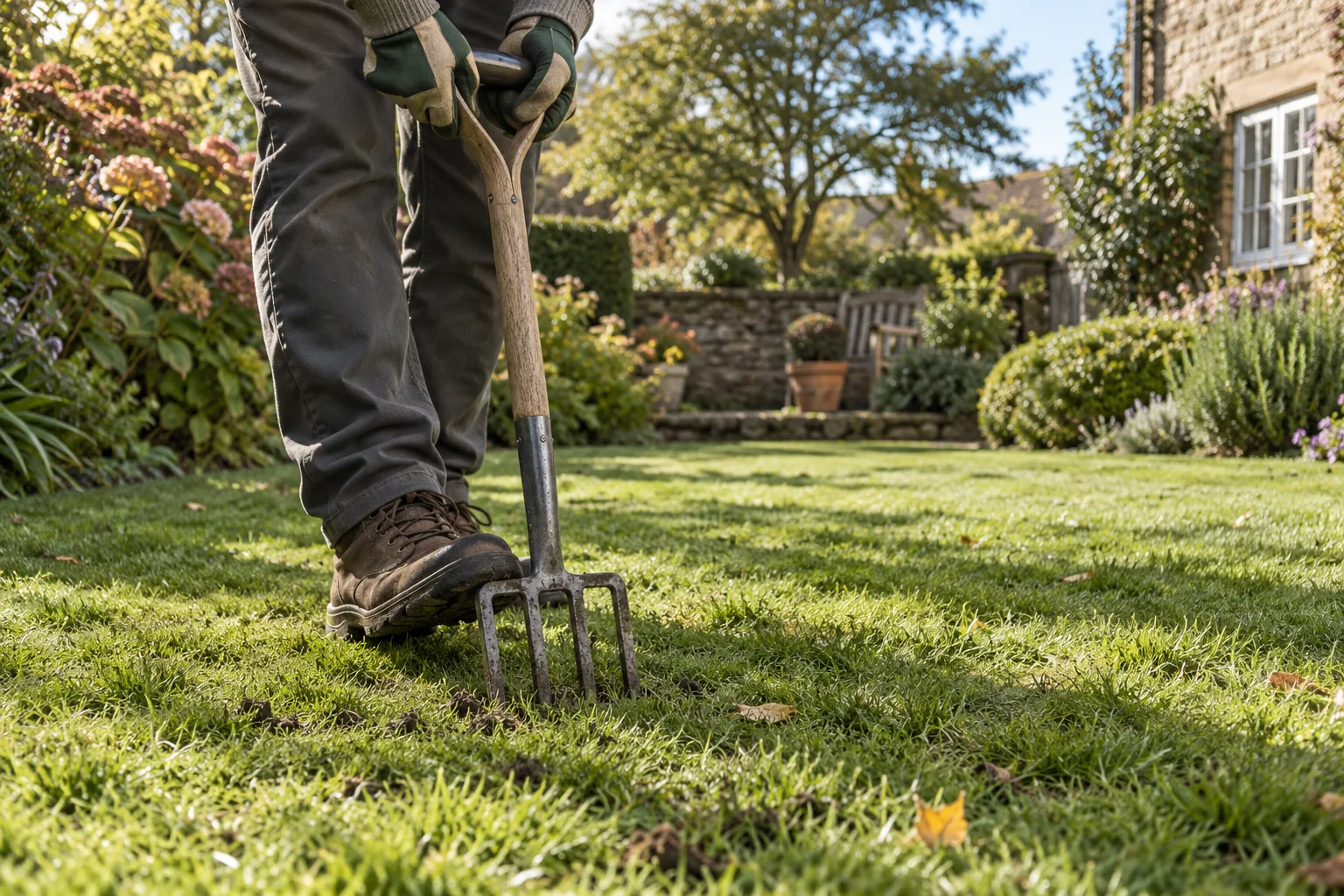
A repeated track across grass tells you something about how the garden is used. Note journeys to a shed, washing line or play area, and consider whether they can realistically change. A repaired patch still needs time and care afterwards. If everyone must cross it several times a day, discuss access before committing to a restoration that will immediately face the same pressure.
Observe the surface in wet and dry periods. Show where water collects and where the grass thins under shade. Avoid describing every brown patch as a disease or every wet patch as a soil problem. Conditions can vary within the same garden. The RHS information on lawn dead patches illustrates why symptoms need looking at in context rather than receiving one universal treatment.
Keep beds from becoming the next backlog
Once the lawn is cut, it can be tempting to leave border work until another day indefinitely. Choose a manageable bed or section for the same visit, with valued plants marked clearly. Weeding among established perennials is more selective than clearing an empty strip. Allow the estimate to reflect that care rather than assuming all square metres take equal time.
After weeding, decide what will occupy exposed soil and who will maintain it. Appropriate planting or mulch may be worth discussing, with materials and suitability agreed first. Do not cover existing crowns or bury young shoots simply to make the bed look uniformly finished. If a border is too deep to reach comfortably or no longer suits the household, consider garden design and landscaping for a more lasting change.
Hedges need dimensions and a target
Send the approximate length and height, plus a photograph showing the working space beside the hedge. Explain whether the aim is a light trim or a substantial reduction. An over-wide hedge may not tolerate being cut straight back to the desired line, and a careful plan starts with identifying the plant. Be clear about how much screening you want to retain.
Before hedge or shrub cutting, check for nesting activity and postpone affected work where needed. Let the team know about any recent observations of birds repeatedly entering one section. An alternative task list keeps the appointment useful without pressuring anyone to cut occupied growth. Large tree branches require a separate tree-surgery discussion, including assessment of access and any relevant protection, rather than being treated as an extension of ordinary hedge trimming.
Greenford trees: use the property’s actual status
For proposed tree work, consult Ealing Council’s protected-tree guidance and establish whether an order or conservation-area requirement affects your property. The local check belongs before pruning or removal. An old photograph showing a smaller tree does not determine what can be done now, and a neighbour’s experience does not replace checking your own address.
Explain the observed concern rather than requesting an arbitrary height reduction. If the tree is close to a structure, photograph that relationship and provide any relevant reports. Tree work has a separate scope and price, and required council permission or notice should be resolved before it proceeds. Routine gardening can still be planned around other tasks while those decisions are made, avoiding an unnecessary rushed choice about established growth.
A clear-out before regular care
Where weeds, brambles or long grass have merged into one dense area, garden clearance may be needed to recover access. Mark the plants and features you wish to keep, and say how the space will be used afterwards. Reopening a path does not automatically include removing every stump or preparing every bed for new turf. Make the first-stage finish explicit.
Expect the revealed ground to inform the next step. Old edging, uneven levels or damaged surfaces may only become apparent after cutting. These should lead to a separate discussion rather than being silently added to the original hourly task list. A useful first visit makes the space understandable as well as tidier, giving you a sound basis for deciding whether regular maintenance is enough or a further project is needed.
Set a seasonal pace you can support
Weekly, fortnightly and monthly gardening can be considered, with the interval based on growth and your own contribution. In a lawn-led garden, mowing may drive the summer rhythm, while a winter visit concentrates on other work when conditions allow. A regular plan should not mean cutting grass unnecessarily during a dry spell or walking repeatedly across waterlogged turf to complete a fixed list.
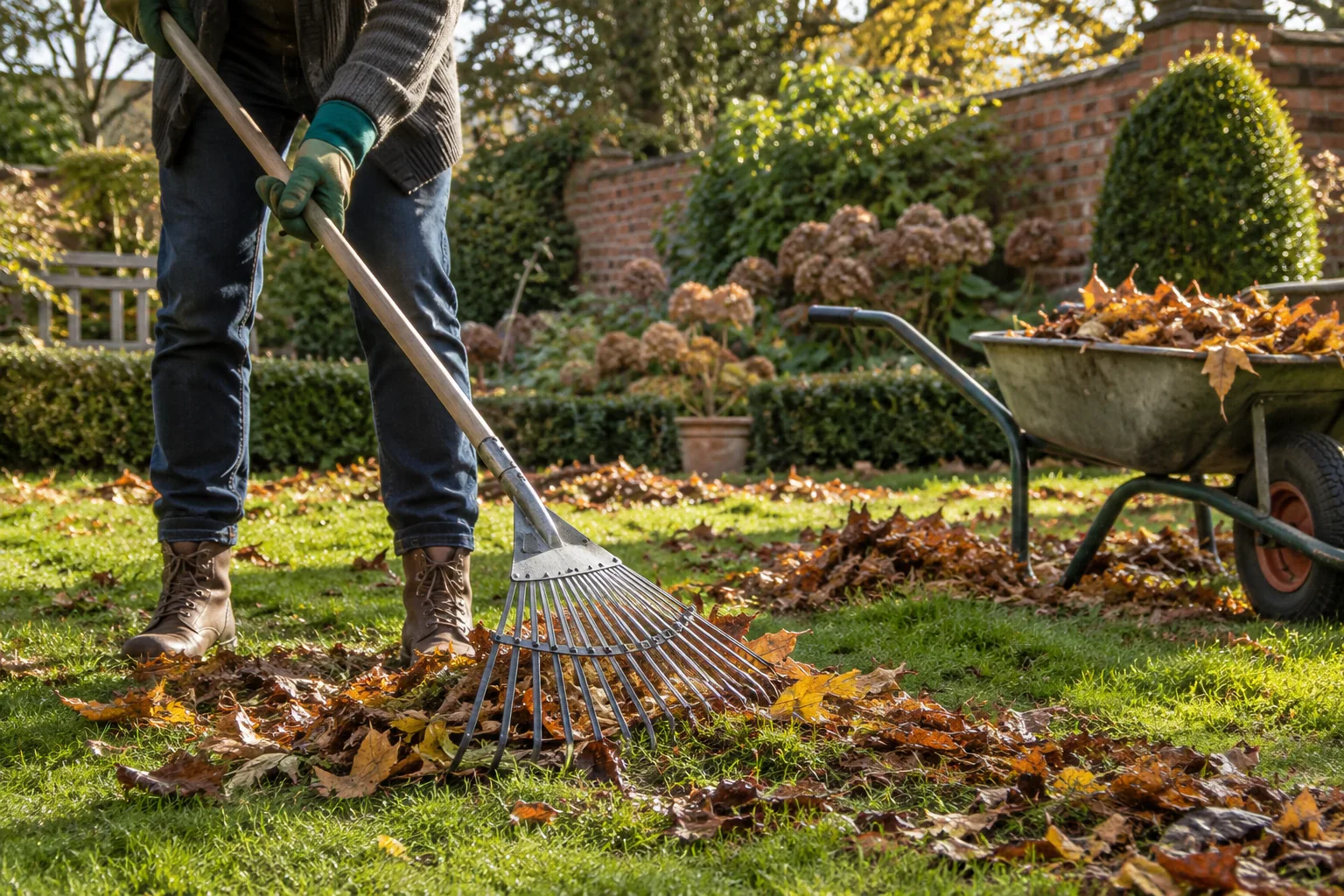
Spring visits can protect emerging growth while controlling early weeds. Summer is a useful time to monitor pots and recent planting between appointments. In autumn, collect leaves where they smother grass or make routes difficult, while deciding which planted areas can retain natural cover. Keep notes of recurring problems. A few dated photographs can help compare seasons and prevent a short-lived change being mistaken for a reason to replace an entire area.
Make the estimate practical
Go Gardeners’ published gardening rates are £79 for the first hour and £65 for subsequent actual hours. Two gardeners, tools, equipment and bags are described, with up to 120 litres of green waste removal included. Read the live pricing information and confirm postcode availability and any applicable additional charges, including relevant congestion charges, before booking. Removal beyond the stated volume requires agreement.
Photograph the access route, explain parking and mention gates, steps or a shared passage. Long carrying distances and bulky cuttings influence the time even where the planted area is modest. Remove loose toys and pet waste where safe, flag cables and irrigation, and decide who can answer questions. For a limited budget, order the tasks so the main improvement happens first and additional work can be planned deliberately rather than rushed at the end.
Greenford gardening questions
Need to discuss your own garden or property? Call with photographs and your postcode.
Ask about your visitCan you mow around a long-grass wildlife patch?
Identify its boundary clearly and show how you want the surrounding area maintained. A marked shape or reference photograph is useful. Explain any bulbs or flowers within the long grass so they are not confused with growth intended to be reduced on the same visit.
Why does my grass keep thinning beside the shed?
There may be several contributing factors, including shade, wear or water movement. Send photographs and describe when the thinning appears. More mowing or immediate reseeding may miss the cause, so begin with observations rather than a predetermined treatment based on the location alone.
Can I request just edging and border work?
Yes, specify that the lawn mowing itself is being handled separately. Show the edges, their length and any plants you want retained. The published minimum still matters, so agree an achievable scope that makes useful use of the visit rather than assuming a tiny task has no minimum charge.
How should I prepare a garden used by children?
Move light play equipment and small toys where practical, remove pet waste and point out hidden objects. Keep children away from the working area during the appointment. Mention any heavy or fixed play features so access around them and the extent of mowing can be agreed beforehand.
Can all hedge cuttings go in my compost bin?
Not automatically. Discuss the type and amount of material and the bin’s capacity. Woody stems can be bulky and slow to break down. Agree on-site storage or extra removal where needed rather than allowing cuttings to fill the route or overwhelm a small compost area.
Is a wet lawn suitable for an ordinary cut?
The surface and grass condition need consideration on the day. Soft ground may be damaged by traffic, and mowing should not be forced simply because it was scheduled. Agree other useful priorities or discuss a different appointment when the work cannot sensibly proceed.
Should I book maintenance immediately after clearance?
A follow-up can be useful, but first decide what the clearance reveals and what you can do yourself. You may need routine care, a targeted repair or a separate layout change. Use the first-stage result to set a sensible frequency and scope for subsequent appointments.
Which neighbouring pages should I use?
The directory includes Northolt, Southall, Ealing and Wembley. The coverage page provides the full approved list. Confirm the precise postcode and service directly, as a nearby area name does not establish appointment availability.
Plan a useful Greenford gardening visit
Call 020 3746 2449 with photographs of the lawn, borders and route in. Explain the recurring job that is hardest to keep up with and any areas that need protecting. An ordered brief makes it easier to agree a first appointment and a routine that keeps the whole garden manageable.
Call 020 3746 2449Gardening nearby.
View all 60 coverage areas ↗Greenford on the map.
Approximate area centre for orientation. Call to confirm availability for your exact postcode.