
Gardeners
Acton
Acton garden care with clear priorities for borders, grass and confined access. Discuss a one-off tidy or regular visits, preserve plants you value and agree the practical details before work starts at your property.
- Recover usable space with valued plants intact
- Plan narrow access ahead of the visit
- Separate tree decisions from routine trimming
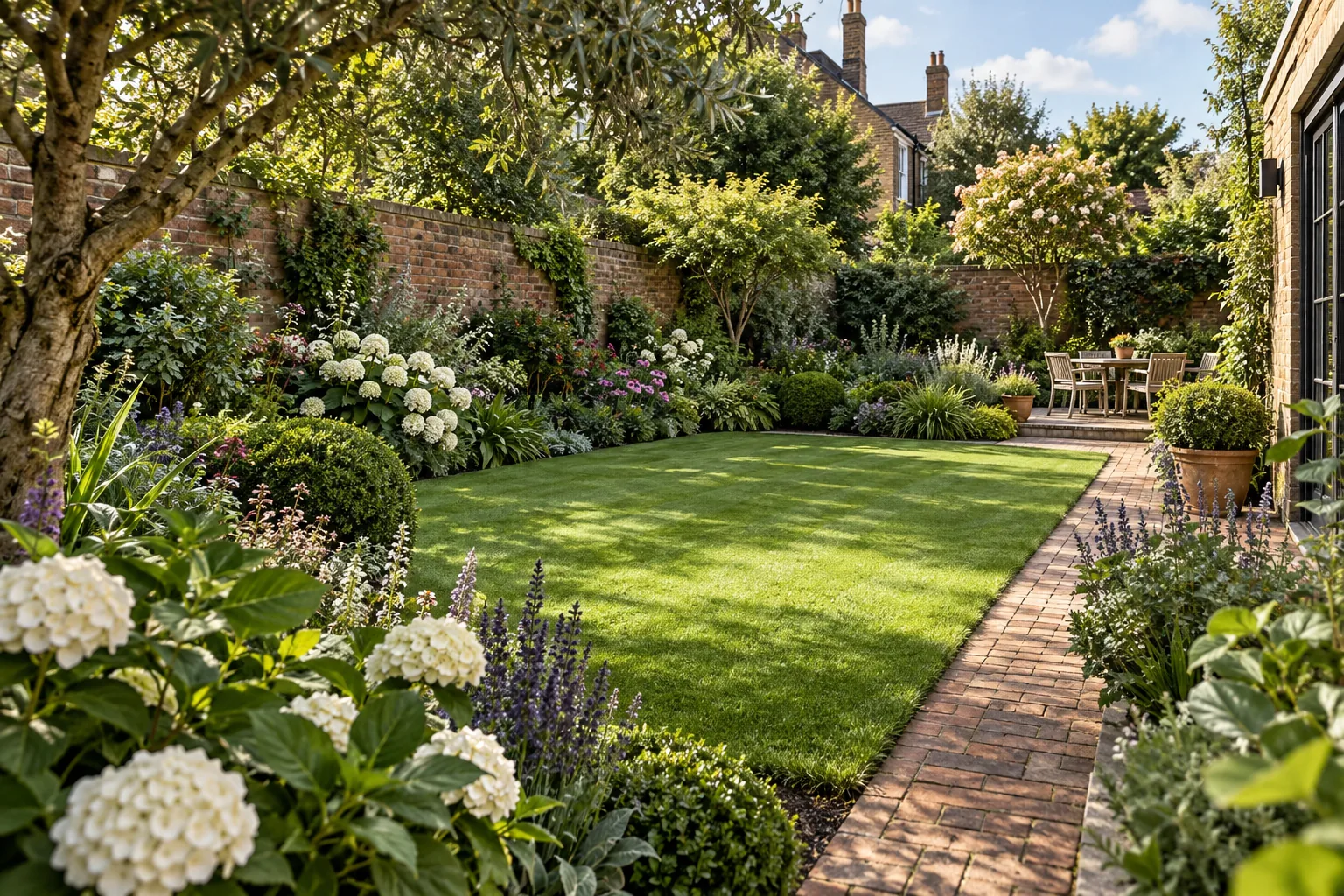
Give each part of the garden a purpose
A garden can look reasonably tidy from the kitchen and still be awkward to use. The hedge catches a coat on the way to the gate, grass grows into the border and a few neglected pots occupy the only sunny seat. For an Acton gardening enquiry, tell Go Gardeners which of these small frustrations you want resolved first. A useful appointment starts with your daily routine, the plants worth keeping and a clear account of access, rather than a long list of jobs with no order of priority.
Begin with the route you use most. If the bicycle shed is hard to reach, reopening that path matters more than perfecting a distant border. If the main aim is sitting outdoors, focus on the seating area and the growth around it. Send a wide photograph that shows how these spaces connect. Close views of individual weeds rarely explain the whole job.
Garden maintenance suits manageable growth and recurring tasks such as mowing, edging and weeding. For a space where vegetation conceals the ground, ask about garden clearance before planning routine visits. Clearance and maintenance can lead to the same long-term aim, but they need different estimates and expectations at the start. Explain any deadline, while allowing the booking team to confirm what is realistic.
Narrow access needs a proper description
The route into a rear garden can determine how tools and cuttings are moved. Photograph the gate open, measure the narrowest passage and mention steps or sharp turns. If entry is through the house, explain the surfaces and doors along the route. Access arrangements should protect your home and leave a practical way to carry equipment without improvisation on arrival.
Shared access needs a separate conversation with whoever manages it. Confirm permission to use the route, where bags may stand temporarily and how neighbours can pass. A communal passage is not spare storage space. For a flat, identify the exact garden area included in the booking; a boundary shown on a photograph is more helpful than an instruction to tidy everything at the back.
Borders without the all-or-nothing clear-out
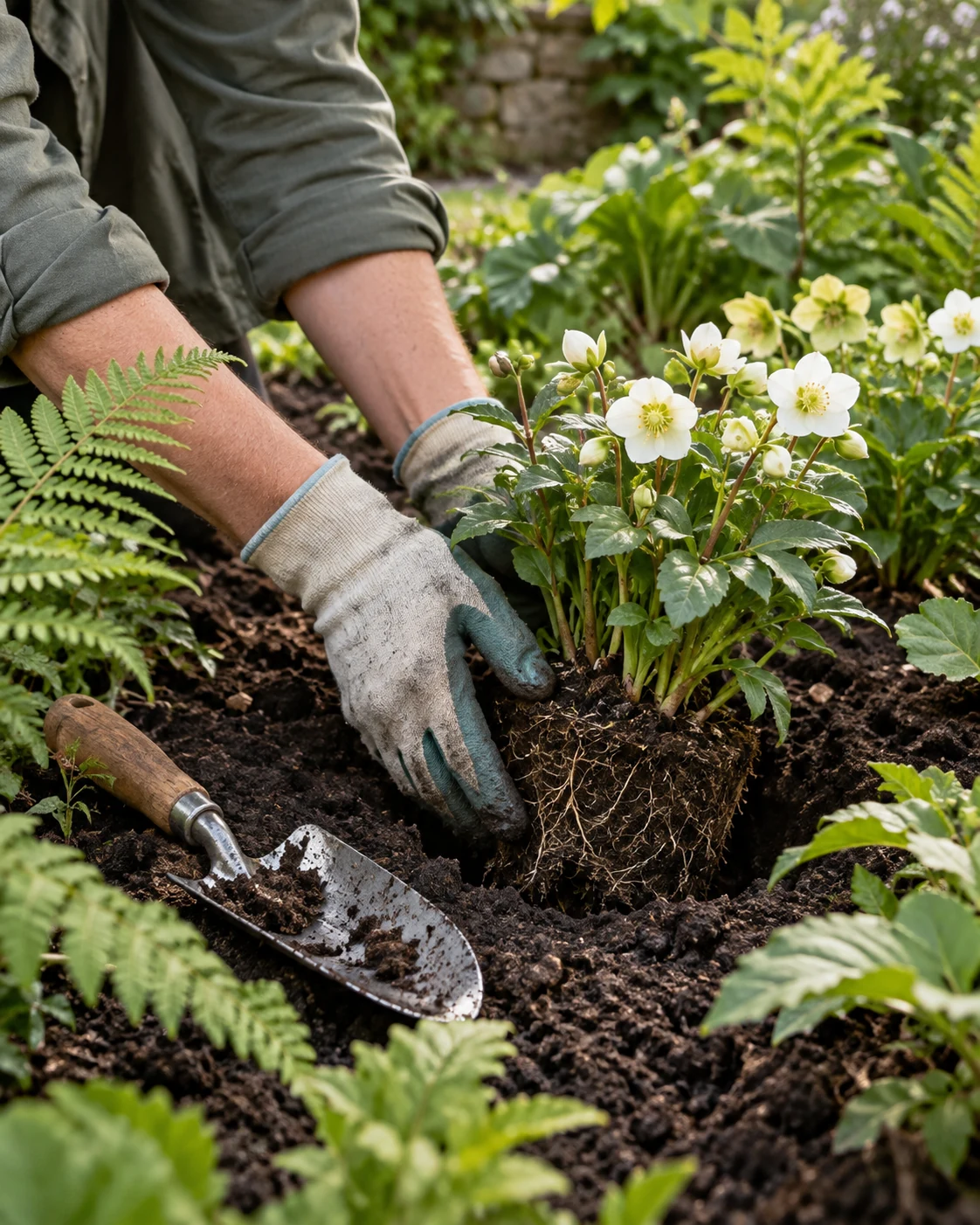
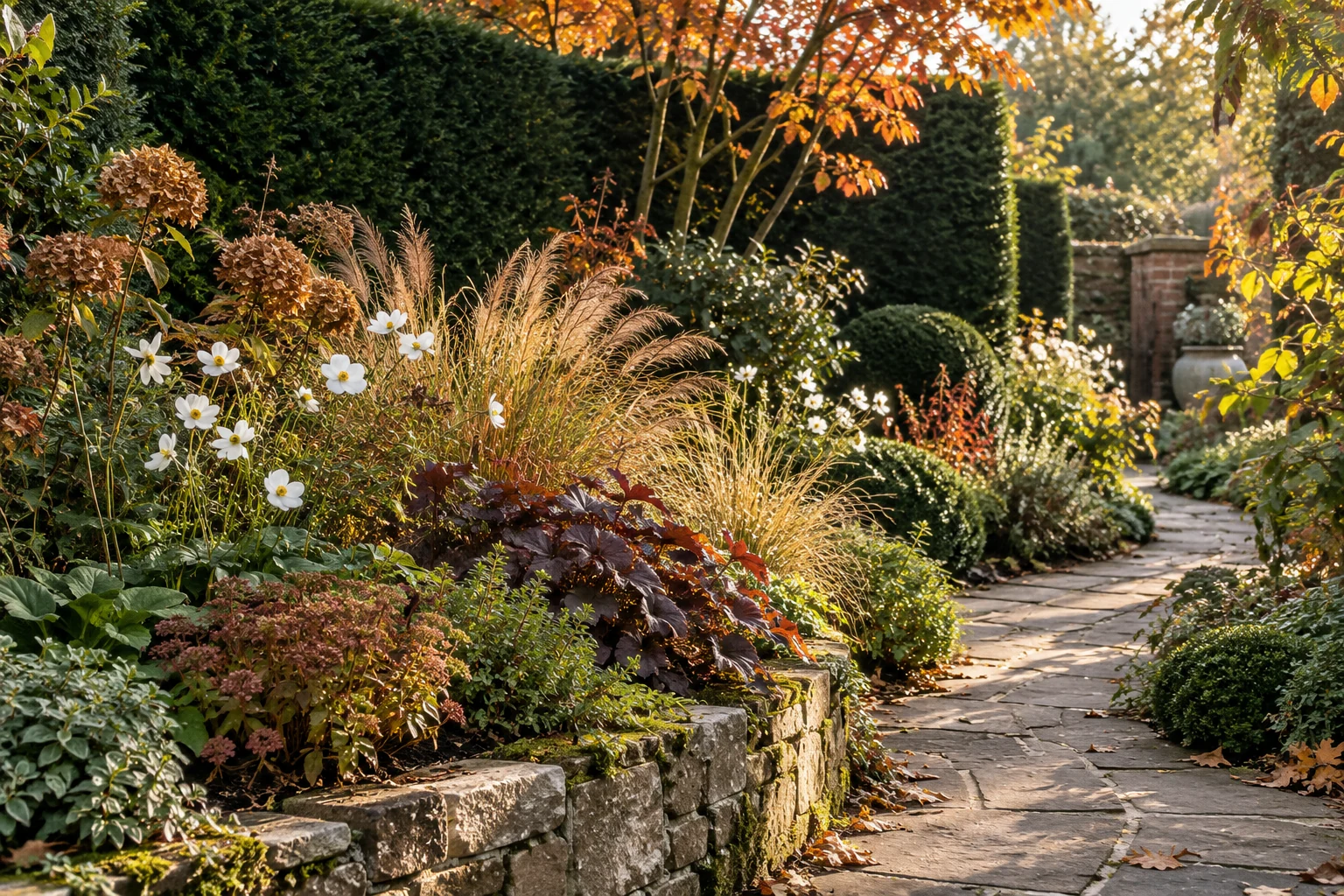
A mixed bed often contains things you want alongside things you do not recognise. Mark treasured plants, emerging bulbs and deliberately self-seeded flowers before work. If identification is uncertain, retain the plant until it can be checked rather than treating unfamiliar growth as rubbish. This matters particularly after moving into a property, when a bare-looking patch may have a seasonal display below ground.
Divide the border into achievable sections. Removing weeds from one section and planning its future cover is generally easier to sustain than exposing every bed at once. Discuss whether suitable mulch or additional plants would help after clearance, with materials agreed separately. Keep soil away from plant crowns and avoid burying low-growing plants beneath a thick covering. The finish should make subsequent care easier, not obscure what is growing.
A lawn cut that respects how the grass is used
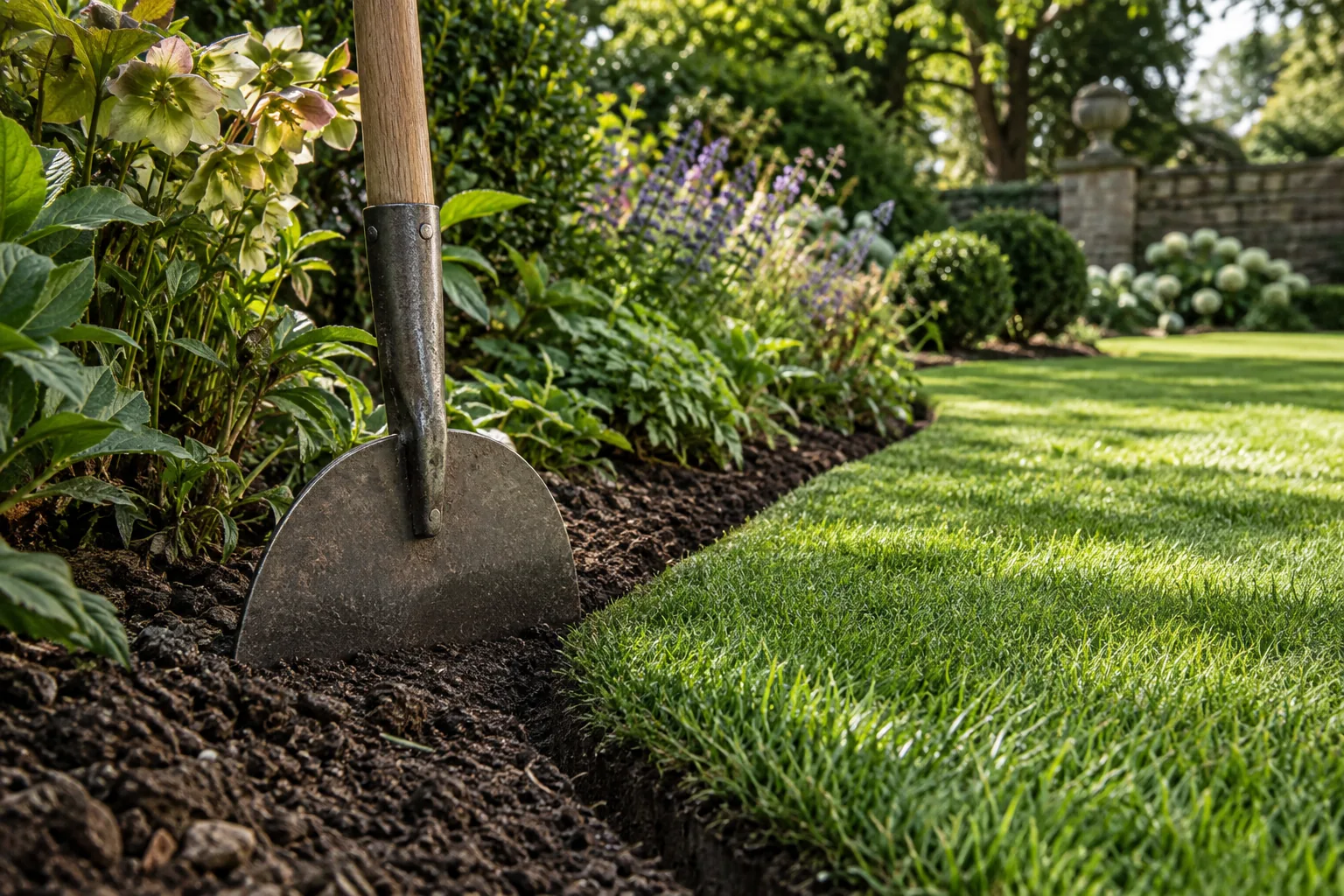
Grass beside a play area, a shady fence and a sunny seating space may respond differently even within one small garden. Describe where people walk and where the mower struggles. Tell the gardeners about raised roots, hidden stones, bulbs and cables before the first cut. A simple sketch can prevent a deliberately long patch being mown accidentally.
If thinning returns in the same corner, ask for the cause to be considered before ordering more seed. Light, wear and water movement can matter as much as the seed itself. Lawn care can be discussed alongside a mowing appointment, but a recurring problem may need a separate plan. Record what the area looks like in different seasons so a temporary change is not mistaken for permanent failure.
Check the local position before cutting trees
Ealing Council’s protected-tree guidance explains that tree preservation orders and conservation areas can affect proposed works. For an Acton address, check the actual property and tree rather than assuming the whole neighbourhood shares one designation. Tell the booking team about any known restrictions early, and establish the required permission or notice with the council before work proceeds.
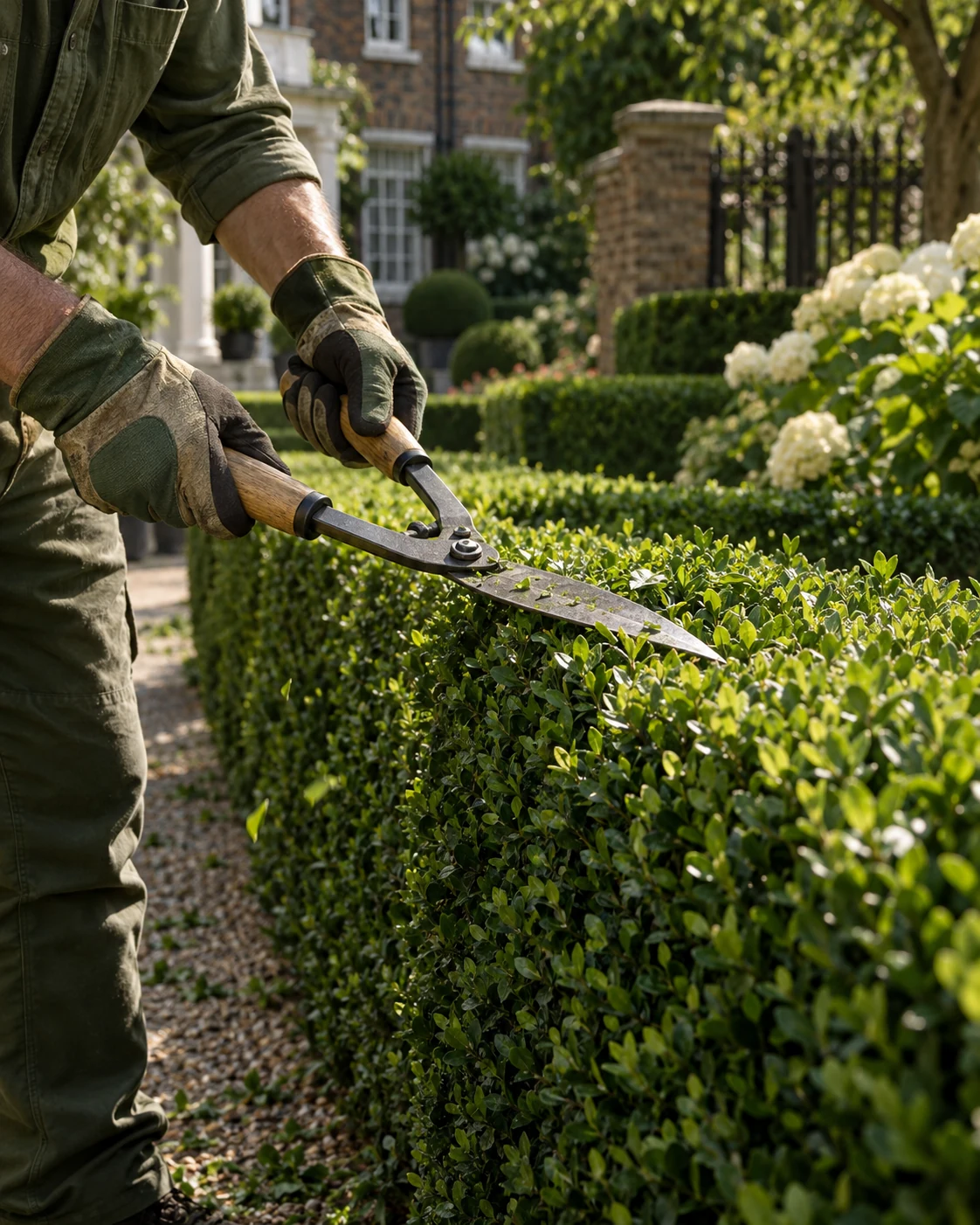
A request to lower a substantial tree is different from trimming an ordinary hedge. Photograph the whole tree, its base and nearby structures, then discuss tree surgery as a separate scope. Avoid using a routine gardening slot as a reason to make an unplanned large cut. Decisions about mature growth should have a defined purpose, a suitable method and the relevant checks behind them.
Keep the garden useful through the seasons
Spring work should leave room for growth that is still emerging. Before cutting a shrub, establish its identity and flowering habit; a general tidy is not a sound reason to remove all flower-bearing shoots. In summer, review containers and recently planted beds between visits. The person watering them needs clear instructions and access to the water source, especially during time away.
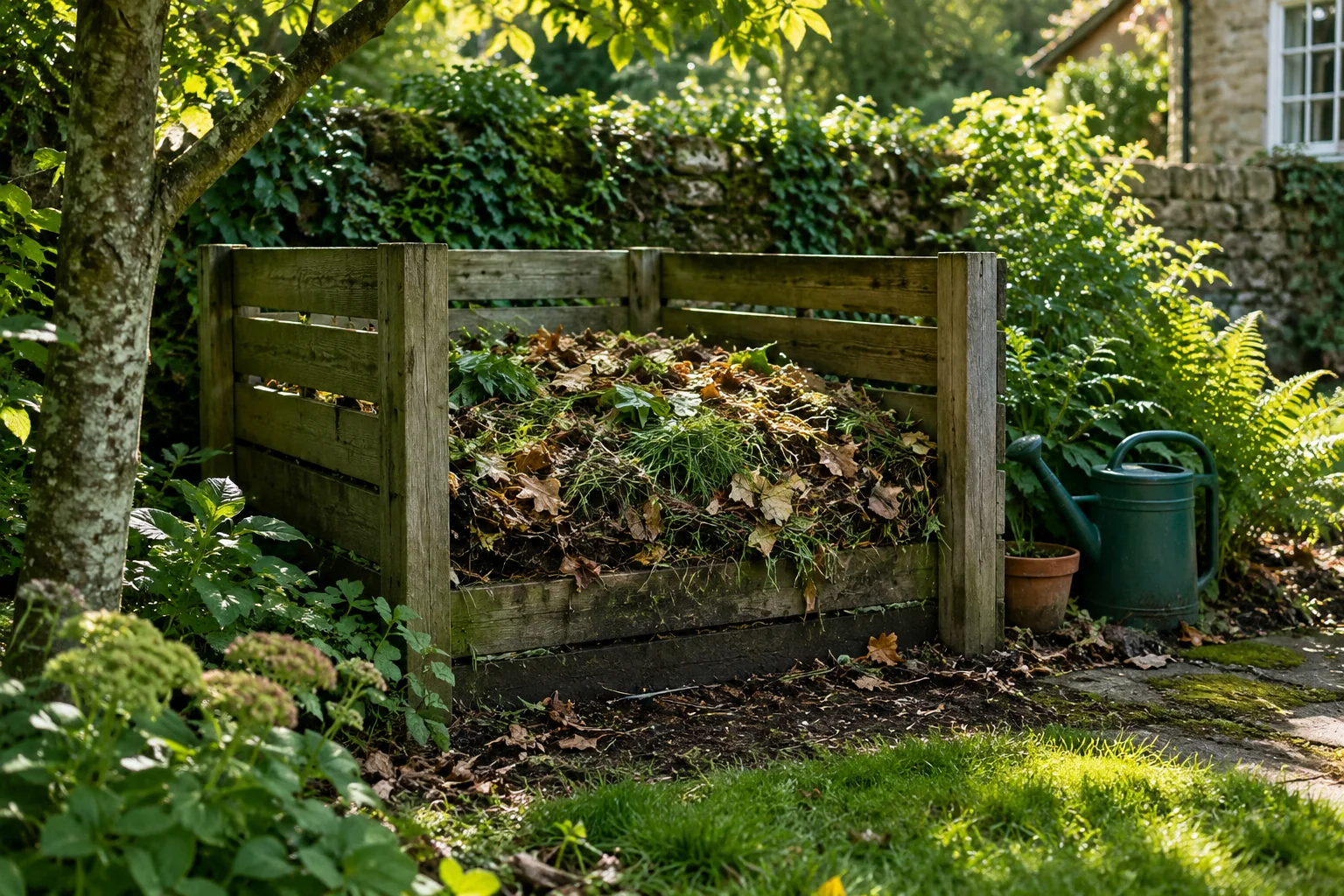
Autumn can be used to recover the outline of paths and collect troublesome leaf build-up, while retaining selected seedheads where desired. Winter offers a chance to review the layout without promising that every ground task can proceed. Saturated beds and frosty turf are poor places for unnecessary foot traffic. Weather can change the day’s order of work, so discuss priorities that allow sensible adjustments rather than requiring a fixed seasonal checklist regardless of conditions.
Plan the first visit and the next one together
For a one-off appointment, name three outcomes in order. These might be a usable entrance, a manageable lawn and a weeded bed beside the house. Agree which tasks can wait if the available time is used. The first visit may reveal work that could not be assessed beneath growth, and additional hours depend on the schedule rather than being automatically available.
Regular visits work best when there is a short record of what needs attention next. Weekly, fortnightly or monthly care can be discussed, with the interval adjusted to growth and your own involvement. You might handle pots while the gardeners look after mowing and borders. If the layout itself makes ordinary tasks difficult, consider garden design and landscaping instead of paying repeatedly to work around the same awkward feature.
Budget for time, carrying and cuttings
Published gardening rates are £79 for the first hour and £65 for each subsequent actual hour. The stated arrangement is two gardeners with tools, equipment and bags, including up to 120 litres of green waste removal. Check the current prices when enquiring. Confirm availability, your postcode and any applicable extra charges, including congestion-related charges where relevant, before accepting the appointment.
The visible size of a garden is only part of an estimate. Long grass, dense roots among weeds, fiddly edges and the distance to the vehicle can all affect time. Large hedge reductions can produce more material than expected. Decide whether additional green waste will be removed at an agreed charge or retained in a suitable place; it should not end up blocking the access that the visit was intended to restore.
Acton gardening questions
Need to discuss your own garden or property? Call with photographs and your postcode.
Ask about your visitCan the front and rear garden be covered in one visit?
They can be considered together, provided the scope and time allow. Photograph both and put the tasks in order across the whole property. If the front entrance is the urgent concern, say so explicitly rather than assuming equal time will be spent in each space.
What should I do with plants I cannot identify?
Flag them before cutting starts and explain that you would prefer a cautious approach. A label or photograph is useful. You can then decide what stays once its growth and likely mature size are clearer, rather than losing a useful plant in a quick tidy.
Can an occasional appointment look after patio pots?
It can cover agreed tasks such as weeding, pruning or repotting, with suitable materials arranged. Watering remains a separate ongoing responsibility. Discuss the pots’ size, weight and position, and do not assume that all containers can be moved safely during a general visit.
Is the whole of Acton in a conservation area?
Do not make that assumption. Check the property’s location and any tree protection with the council using its published information. A familiar street name or a neighbour’s account is not enough to settle the status of your own proposed tree work.
Should a hedge be cut before an outdoor gathering?
Give the date and photographs early. The plant’s condition, nesting activity and available appointments still determine what can be done. If cutting is unsuitable, other agreed tasks may improve access and presentation without forcing the hedge work into an inappropriate window.
Can the grass be cut very short after a long gap?
Explain how long it has been left and show its present height. A severe single cut may leave a poor result or stress the grass. Discuss a staged recovery and realistic appearance, including whether follow-up work is needed, rather than asking for an immediate close finish.
What if the only route is through the kitchen?
Tell the team before booking and send photographs of that route. Agree entry, protection of surfaces, carrying arrangements and how doors will be secured. The estimate must reflect this access; it cannot be treated as equivalent to a wide external gate.
Which neighbouring areas can I enquire about?
The area directory also includes Ealing, Chiswick and Hammersmith. Use the coverage directory for the wider list and confirm a specific postcode and appointment directly before making arrangements at the property.
Arrange practical gardening help in Acton
Call 020 3746 2449 with your postcode, photographs and the first thing you want to use more easily. Include the entrance, tell us what must stay and explain any limits on time or budget. That gives the booking conversation a clear purpose and helps turn a general request for tidiness into an agreed, useful piece of work.
Call 020 3746 2449Gardening nearby.
View all 60 coverage areas ↗Acton on the map.
Approximate area centre for orientation. Call to confirm availability for your exact postcode.