
Garden Clearance
London
Recover a path, open up the lawn and make an overgrown garden usable again. Decide what stays, what goes and how the green waste will be handled.
- Reopen paths and overgrown spaces
- Mark the plants and features to keep
- Waste volume agreed before cutting
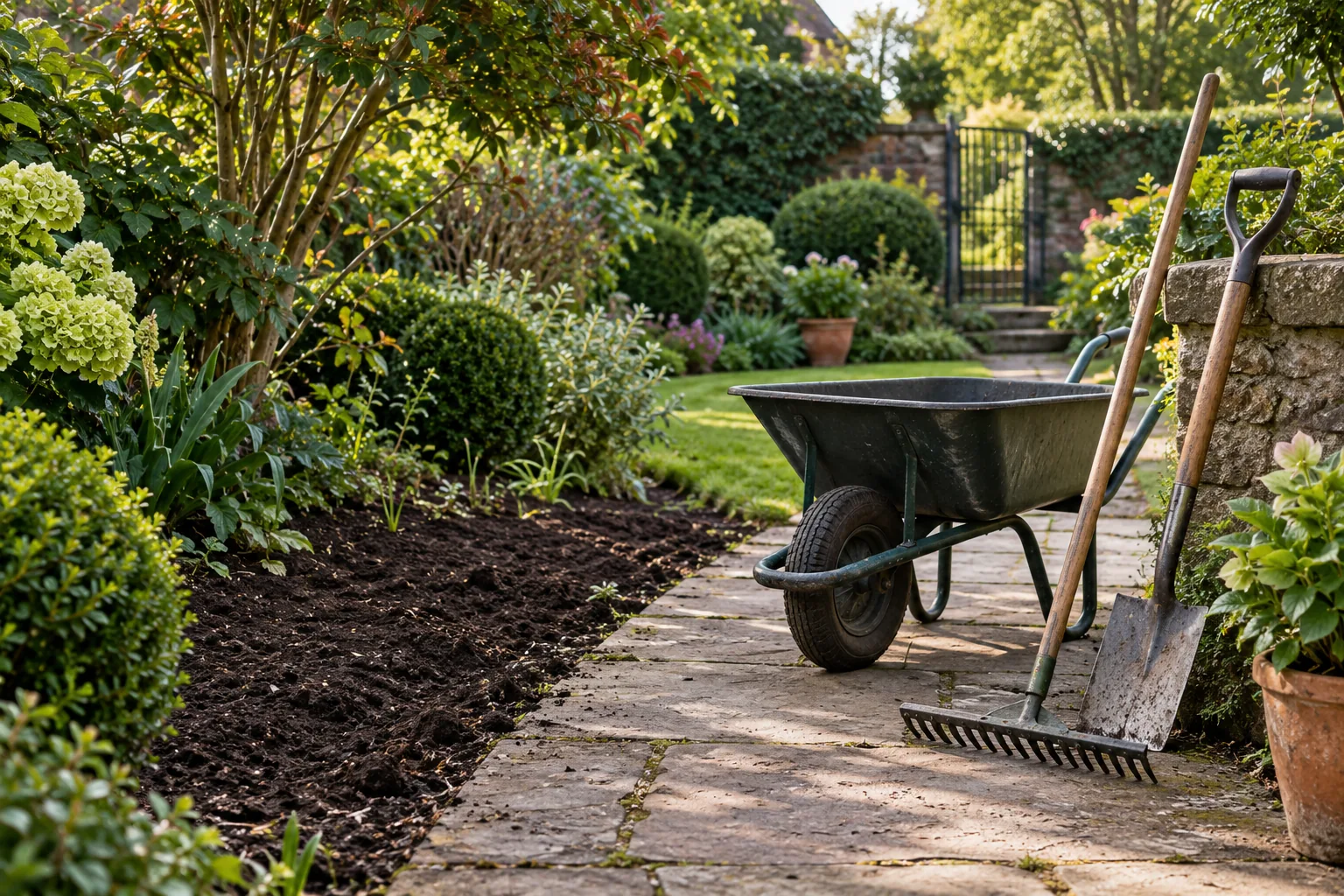
Decide what a cleared garden should retain
When growth has hidden a path or swallowed the edge of a lawn, the first job is to make sense of what is there. Garden clearance is a planned removal of unwanted vegetation and accumulated garden debris. It should leave a usable starting point without sacrificing plants you wanted to keep. Go Gardeners offers garden clearance in London; send photographs before booking so that access, priorities and the volume of green waste can be discussed properly.
An overgrown garden is not necessarily an empty garden waiting to happen. Beneath tall weeds there may be bulbs, a good shrub framework, a path or a useful patch of paving. Before work begins, identify the features worth retaining. Mark plants you recognise and describe anything whose identity you are unsure about. A broad instruction to remove everything can turn a practical tidy into an irreversible loss.
Choose the level of clearance you need. You may want a route to the shed, the lawn brought back into use or a bed prepared for later planting. Removing every root, installing new turf and rebuilding a boundary are different scopes. A clear finish for one purpose may still need follow-up work before it is suitable for another. Put the intended use into the booking conversation, not just the word ‘clearance’.
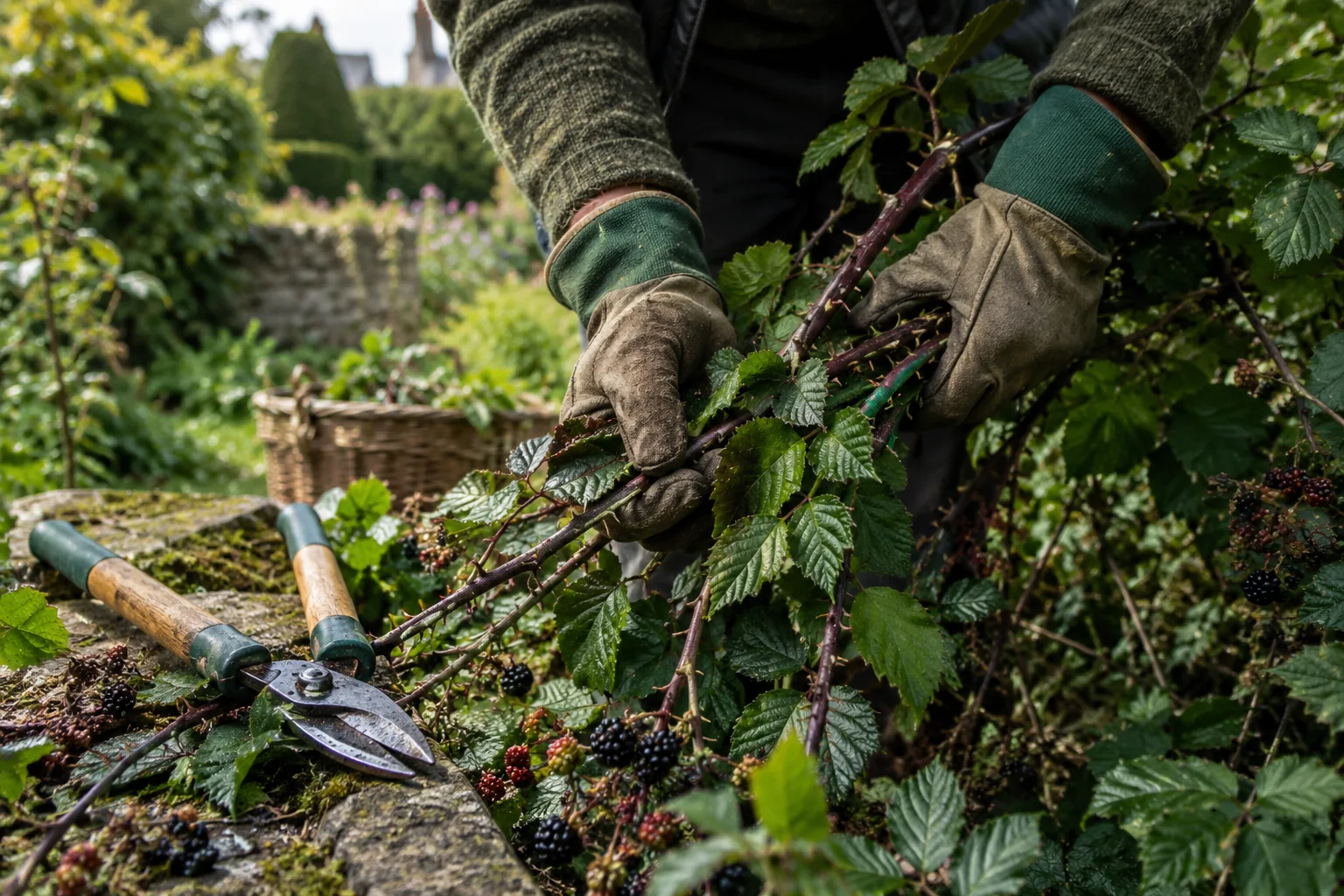
What can be included
Weeds, brambles and overgrown vegetation
Describe the dominant growth and its extent. A bed of annual weeds differs from woody brambles entwined with a fence. Cutting top growth improves access, but some persistent plants can return from remaining roots. Discuss the approach and expected follow-up rather than assuming a single visit permanently eliminates every unwanted plant. Avoid moving unidentified invasive material around the garden before it has been assessed.
Long grass and buried boundaries
Tall grass can hide stones, wire, toys and uneven ground. Tell the team if the garden has been used for storage or if you know there are concealed obstacles. Once visibility improves, the lawn’s true condition becomes easier to judge. An initial cut may reveal bare areas rather than an immediately finished lawn; lawn care can be considered after the clearance, when the problem is visible.
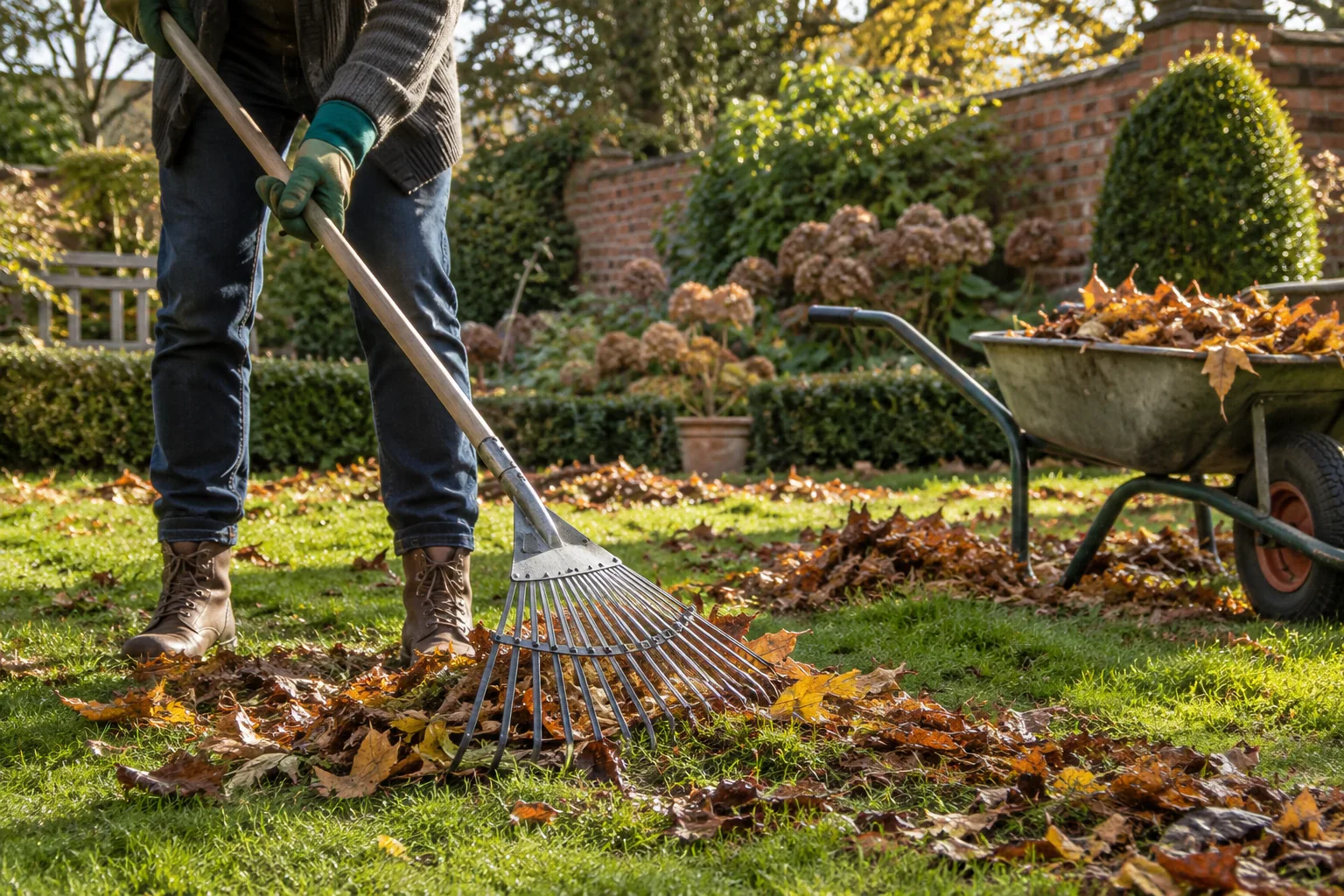
Leaves and accumulated garden debris
Leaves covering paths and lawns are a common clearance task. Vegetation can be collected for agreed removal or, where suitable, retained for composting. Separate this from household rubbish, broken pots, building materials and old furniture. Those items need their own arrangements and should not be described as green waste simply because they are outside. Photographs help establish what the pile actually contains.
Access can determine the pace of the job
A garden with a side gate is a different working environment from one reached through a narrow kitchen. Show the full route, including shared corridors, stairs, changes of level and the final exit. Mention where vehicles can park and whether any permissions or timed access arrangements are needed. These details affect the carrying of tools and waste, not just the arrival of the gardeners.
Do not try to expose a dangerous area yourself to improve the photographs. Take pictures from a safe position and explain what is obscured. Keep children and pets out of the work zone. Tell the team about ponds, loose slabs, broken glass, outdoor power cables or a damaged boundary. If suspected hazardous material is present, it needs a separate assessment rather than inclusion in a routine garden clearance booking.
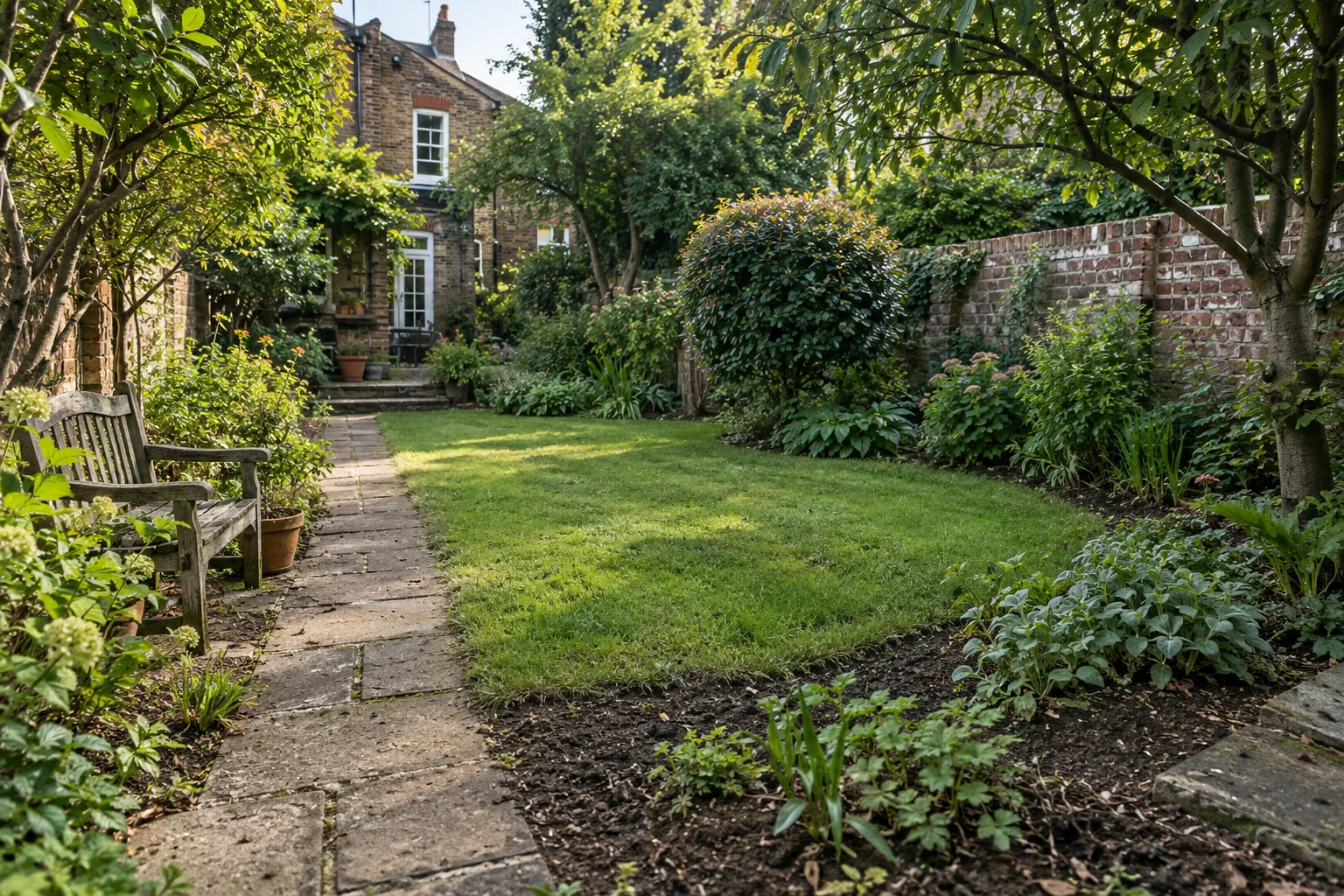
Agree a sensible order of work
Start with access and the most useful outcome. Opening a path may allow the rest of the garden to be worked more efficiently. After that, decide whether the lawn, a seating area or a particular border matters most. A ranked list helps if the work takes longer than the photographs suggested. It also avoids spending the available time on a remote corner while the main route remains blocked.
The team can review the visible condition as clearance progresses. Some hidden problems only become apparent after growth is removed: damaged paving, failed fencing or a larger-than-expected stump. Discuss those findings separately. A clearance visit should not silently become a structural repair project, and discovering a new problem does not mean every solution can be delivered during the same appointment.
Green waste: volume, storage and removal
The published garden clearance arrangement includes disposal of up to 120 litres of green waste. Dense growth and woody cuttings can exceed that allowance quickly. Confirm additional removal charges before the job, or agree an appropriate compost area or green bin. Do not assume bags can be left on a public pavement or in a shared space without permission.
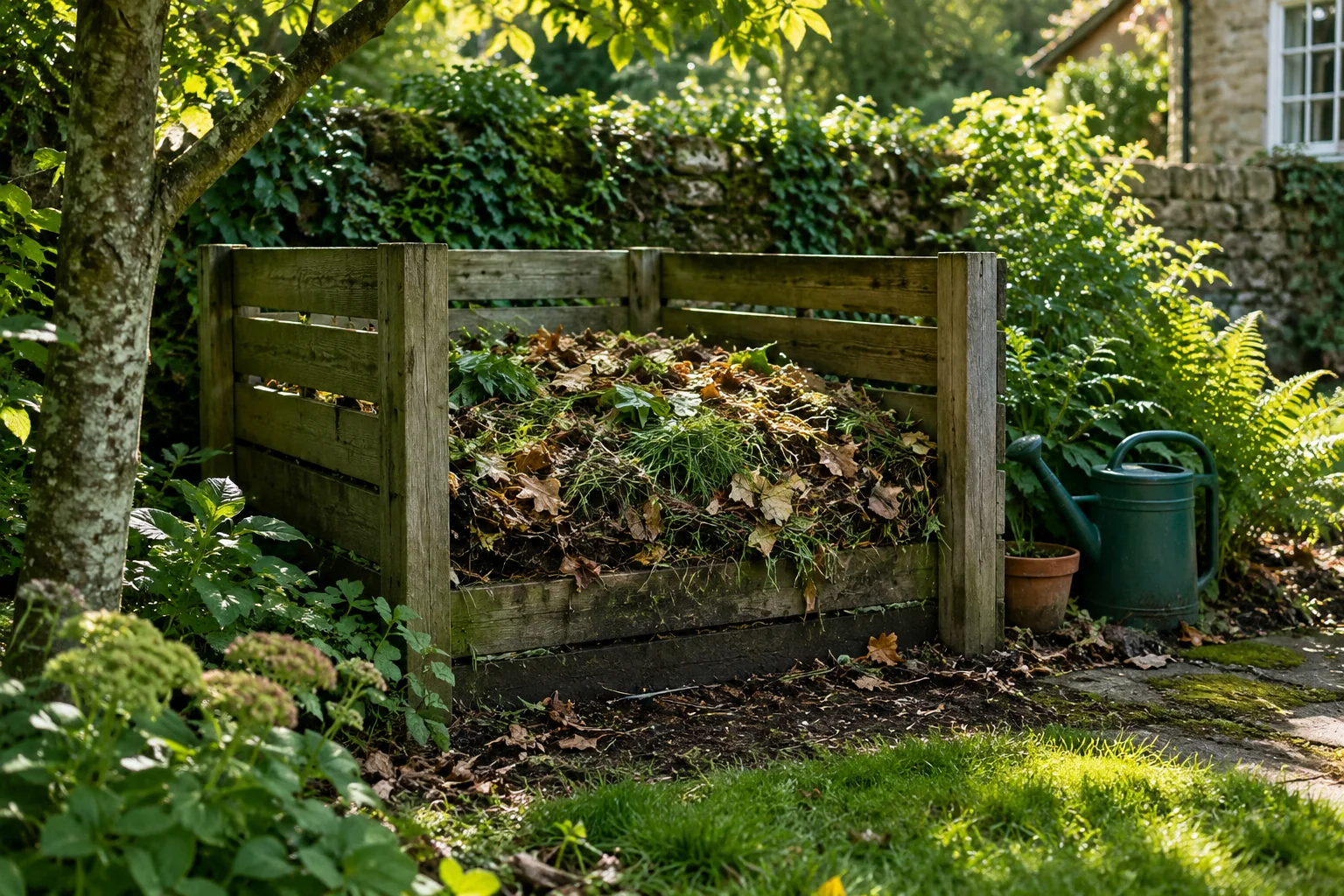
Consider what you want to keep. Suitable leaves and softer plant material may be useful in a compost system, while bulky woody growth needs a different plan. The question is practical: what can your garden accommodate and what will you manage afterwards? Retaining a huge pile that blocks the newly cleared path defeats the purpose of the visit. Be clear about the intended finish and where material will be left.
How clearance is priced
The published rate is £79 for the first hour and £65 for each subsequent hour, based on actual time on site. A team of at least two gardeners and the necessary tools are described in the price guide. Extra green waste is chargeable beyond the included allowance. Rates were checked on 15 October 2026; postcode, availability and applicable congestion charges should be confirmed directly.
The area of the garden is only part of the estimate. Height and density of vegetation, obstacles, root work, the carrying route and waste handling all matter. Send several views and avoid cropping out difficult sections. For a heavily neglected space, ask what the estimate assumes and which tasks take priority. The published prices provide the starting rate, while the booking establishes the actual scope.
Choose the timing with plants and wildlife in mind
Clearance should respond to what is living in the garden. Check hedges, shrubs and dense growth for nesting activity before cutting. Active nests are protected while in use or being built; work affecting them may need to wait. A calendar date alone does not prove that a particular hedge or thicket is clear of nesting birds. If uncertain, pause and seek appropriate advice.
Wet ground can also change what is sensible. Repeated carrying over saturated turf may leave damage, and frozen ground can make some tasks impractical. Autumn leaf clearance, a spring reset and a summer overgrowth job need different priorities. The aim is to make the space manageable without turning unsuitable conditions into unnecessary soil or lawn damage.
What follows the clearance
Once the garden is accessible, reassess before buying plants or materials. Notice the light, the usable space and any areas that remain wet. A few maintenance visits may be enough to keep growth in check. If you want a new layout, discuss landscaping after the existing features can be seen and measured. That gives the plan a more reliable foundation.
For recurring weeds or fast-growing hedges, a follow-up schedule matters more than a dramatic first-day finish. Arrange regular garden maintenance at an interval that matches the workload. Leave the garden with a short list of next actions: what to monitor, what should be planted later and which jobs need a separate quote. Clearance is most useful when it leads to a manageable routine.
Garden clearance questions
Need to discuss your own garden or property? Call with photographs and your postcode.
Ask about your visitCan you clear a garden that has been neglected for years?
Send wide photographs and explain the access, dominant vegetation and any stored items. Extensive neglect can involve several kinds of work, so an initial estimate may need refinement. Agree the priorities and whether a follow-up is likely rather than assuming every part can be completed in one short visit.
Will you remove garden furniture and building rubble?
Those materials are not green waste. Identify them separately and ask what arrangements are available before booking. Mixed piles are particularly important to photograph, because hidden rubble, metal or household rubbish can change the handling required. Do not include them silently in an estimate for vegetation removal.
Can useful shrubs be kept?
Yes, identify and mark them before work starts. Photographs and a simple sketch can help if you will not be present. If nobody knows what a plant is, ask for it to be checked rather than cut automatically. Saving a sound framework may reduce the work needed afterwards.
Does clearance include all root removal?
Not automatically. Cutting growth, digging roots and grinding a substantial stump are different operations. Describe the intended finish and ask which are included. Some persistent plants need monitoring after the initial clearance, while a large stump belongs in a separate tree surgery discussion.
Can you give a price from photographs?
Photographs support an initial estimate, especially when they show the whole garden and carrying route. Hidden obstacles and dense growth can limit what is visible. Explain what the images cannot show and ask which assumptions the estimate uses, including green waste volume and the time available.
How much waste disposal is included?
The published clearance allowance is up to 120 litres of green waste. Extra volume costs more unless another suitable arrangement is agreed. Discuss composting or a green bin where practical, and confirm the final location of retained material so it does not obstruct the newly cleared space.
Do I need to be there for the work?
Suitable access can be arranged in advance. The instructions should make clear what stays, what goes and which tasks take priority. For a complicated clearance with many valuable plants, being available for decisions can help, even if the agreed work can proceed without you on site.
Where can I check coverage?
The coverage page lists the 60 listed areas. Call with the exact postcode, photographs and access details to confirm a visit. Availability and the work required remain part of the booking conversation; the list should not be read as a promise of immediate attendance.
Open up the space, then plan the next step
Call 020 3746 2449 and explain what you want to be able to use again. A clear route, an accessible lawn or a recovered border is a useful outcome to work towards. With the waste and follow-up agreed, the clearance can become the beginning of a garden you can keep on top of.
Call 020 3746 2449