
How often should you mow a UK lawn? Let growth set the pace
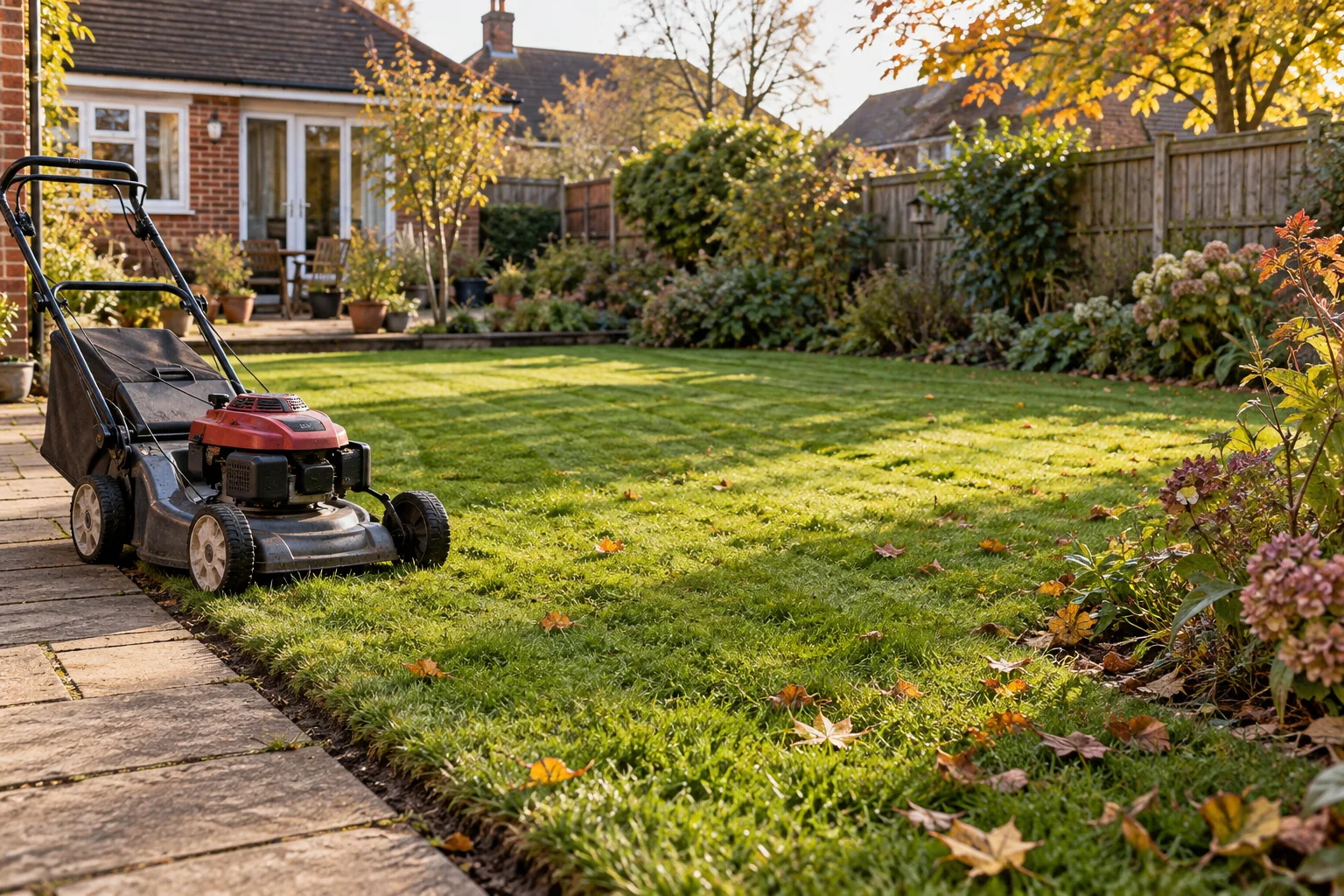
There is no useful year-round answer such as “every Saturday”. A lawn may grow quickly after rain and mild weather, barely move in a cold spell, or stop being mowable because the soil is too soft. The right interval is the one that keeps the grass at a suitable height without repeatedly cutting it back hard or damaging the ground beneath it.
For a conventional lawn in active growth, the RHS mowing guide describes roughly weekly or fortnightly mowing in spring and autumn, with frequency adjusted to growth. Treat that as a starting range, not a booking rule. A sunny, well-fed patch and a shaded, worn strip within the same garden may need different decisions on the same day.
Make a quick decision before arranging the cut
Look first at the grass rather than the calendar. Has it grown enough that a cut would improve the surface without removing a large proportion at once? Check several places, including shade near a fence and the areas crossed most often. A single tuft beside a flower bed does not mean the whole lawn needs mowing. Hand trimming a small edge may be the more proportionate job.
Next, check the ground. If your shoes leave marks, water rises when you step, or the mower wheels would leave tracks, postpone mowing. Examine the grass itself for persistent wetness or frost. The RHS advises against mowing wet or frosty grass, and its general mowing advice notes that soil and grass condition matter alongside growth rate. A delayed cut is usually less troublesome than ruts or torn turf that need repairing later.
Finally, ask what the lawn is for. A small family lawn needs a practical surface for use; a fine ornamental finish may require more frequent, careful attention. Some owners deliberately allow part of a lawn to flower and use a mown path through it. That choice should be planned so people can move safely and so the remaining grass can be managed at the right time.
Why the interval changes through the year
Spring often brings renewed growth, but the first cut should wait until the surface is firm enough and the grass is growing. Begin with a higher setting if it has grown long over winter. A sudden short cut exposes stems and can leave a patchy appearance. Once growth is steady, look again every week rather than assuming the first interval will hold for the whole season.
In a mild, damp summer, grass may grow fast. During hot, dry weather, growth can slow and a longer sward can help protect the lawn from stress. The useful test remains the condition of the grass and soil, not the month printed on a maintenance contract. A visit can still be useful for edging, weeding or other agreed work when mowing is inappropriate.
Autumn can resemble spring for a while. Mild temperatures and rain may keep grass growing, but shorter days and wetter ground reduce the number of suitable cutting windows. Do not chase a supposed “last mow” on a fixed date. In some winters a lawn may need an occasional cut during a mild, dry period; in others it will be best left alone. The autumn garden maintenance checklist explains how to choose other worthwhile jobs when the lawn is too wet.
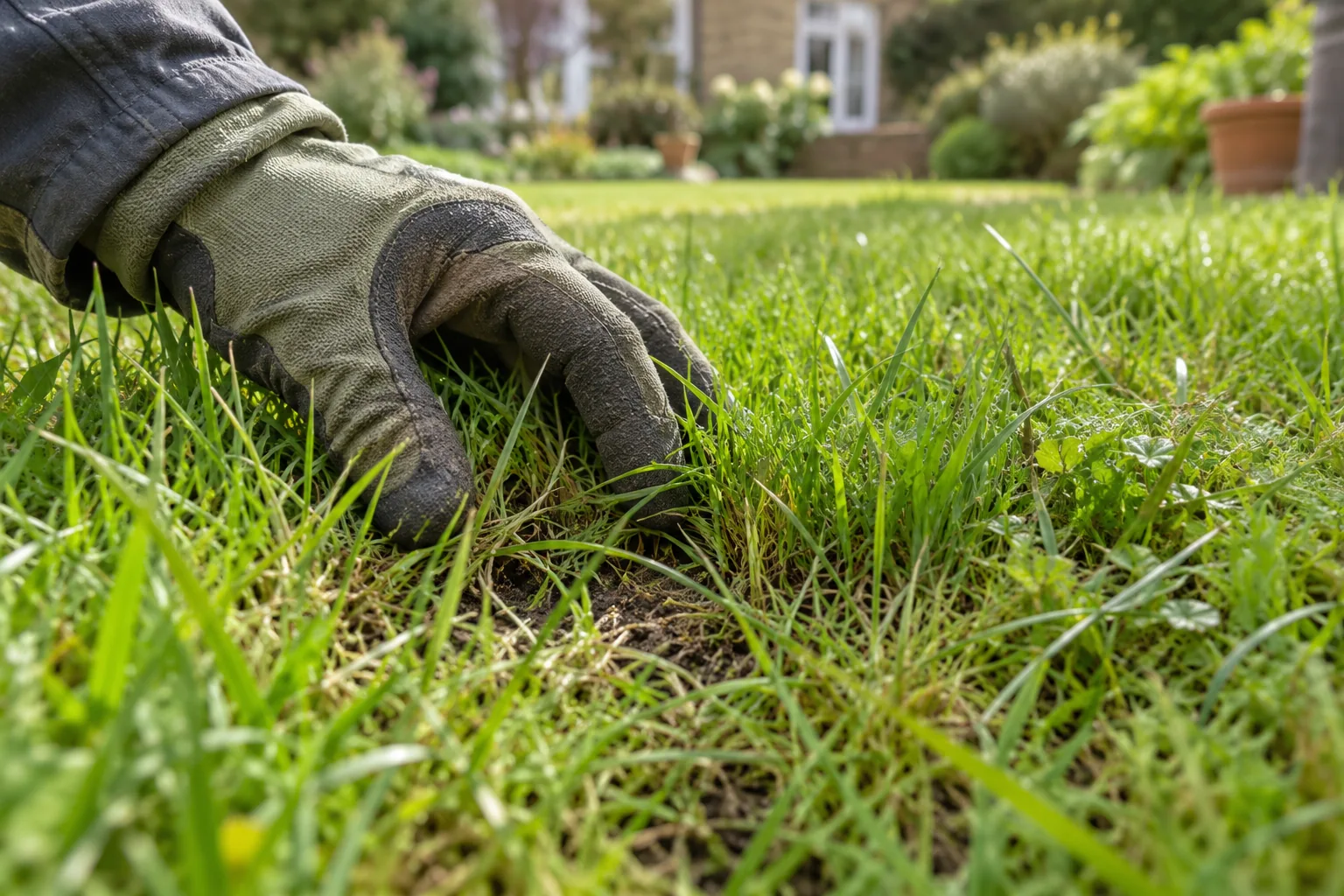
Keep the cut gentle enough for the lawn you have
Set the mower to suit the grass and conditions. There is no one height that works for every lawn, shade pattern and season. A heavily shaded or dry lawn may need to be left longer than a vigorous sunny patch. The mower’s highest setting is a sensible starting point when growth has become tall or when resuming after a break; lower it gradually only if the lawn responds well.
Inspect the mower before use. A blunt blade can tear grass tips instead of cutting cleanly. Check that the collection box is fitted securely if you intend to collect the clippings, and follow the manufacturer’s instructions for the machine. Remove toys, stones, wire and other objects from the route. Keep children and pets away while mowing, and never reach under a mower until it is safely stopped and isolated as its instructions require.
If the lawn has become very long, one severe pass is a poor shortcut. Reduce it over more than one suitable session, allowing recovery between cuts. Long clippings can clump and smother patches if left in thick piles. Gather them where necessary, or arrange an appropriate disposal route before the work. A garden that has been left for months may need a wider lawn care assessment rather than simply a faster mower.
How much does lawn type matter?
Some lawns are sown or maintained for a close, formal finish; others are mixtures that tolerate ordinary family use. Fine ornamental grass can demand more attention, equipment care and suitable weather windows. A lawn with clover or other low-growing plants may be managed less closely where that fits the owner’s aims. The goal should be stated before setting a routine, not inferred from an idealised photograph.
Shade, compaction and foot traffic can make a lawn look untidy even when it is cut frequently. In these areas, more mowing may make matters worse. Notice where grass thins beside a gate, beneath a tree or on the route to a shed. A worn route may need access changes, repair at a suitable season or a different surface. If the ground stays wet, find the cause before adding seed or fertiliser.
New seed or turf needs its own establishment plan. Avoid treating it like an established lawn on the regular round. Check the supplier’s care information and the actual growth and rooting before the first cut. If you are unsure, ask the person responsible for the installation to specify when and how mowing should begin, including watering and access restrictions.
Fit mowing into a realistic maintenance visit
A useful mowing arrangement is flexible about weather and clear about scope. Agree whether edging is included, where clippings go, whether the mower can be moved through the property, and what the team should do if grass or soil is too wet on the day. A regular garden maintenance visit can switch to other agreed tasks rather than forcing a damaging cut to fill an appointment.
Keep a simple record for a few weeks: date, conditions, the mower setting, and how the lawn looked afterwards. This is more useful than copying another household’s schedule. It will reveal whether the lawn is being cut too short, whether the interval stretches comfortably in colder weather, and where one area consistently needs special attention.
If growth speeds up between visits, do not automatically book twice as many cuts. Check whether the previous setting was appropriate, whether a small part of the lawn is driving the decision, and what happens to the clippings. Equally, if grass is getting long enough that each visit removes a great deal, a shorter interval during its active season may be kinder to the lawn.
The answer to use in your own garden
Look at the lawn every week during active growth, then mow only when it has grown enough and conditions allow a clean, controlled cut. Weekly or fortnightly is a useful conventional spring and autumn starting range, but the correct interval can move either way. Skip wet, frosty or soft-ground days. Leave more length when the lawn is stressed, and treat persistent shade or waterlogging as a site problem rather than a mowing-frequency problem.
For help setting a routine, describe the lawn’s size, shade, access and current condition to Go Gardeners. A good plan should make the space easier to use and maintain, without asking the mower to solve issues that need a different kind of attention.