
Tree pruning: small jobs and when to call an arborist
A tree does not need pruning simply because it has grown since last year. Start with a specific problem, identify the tree and decide whether the proposed work is appropriate. Small, reachable shoots are a different task from a heavy branch above a roof.
Advice reviewed on 16 October 2026.
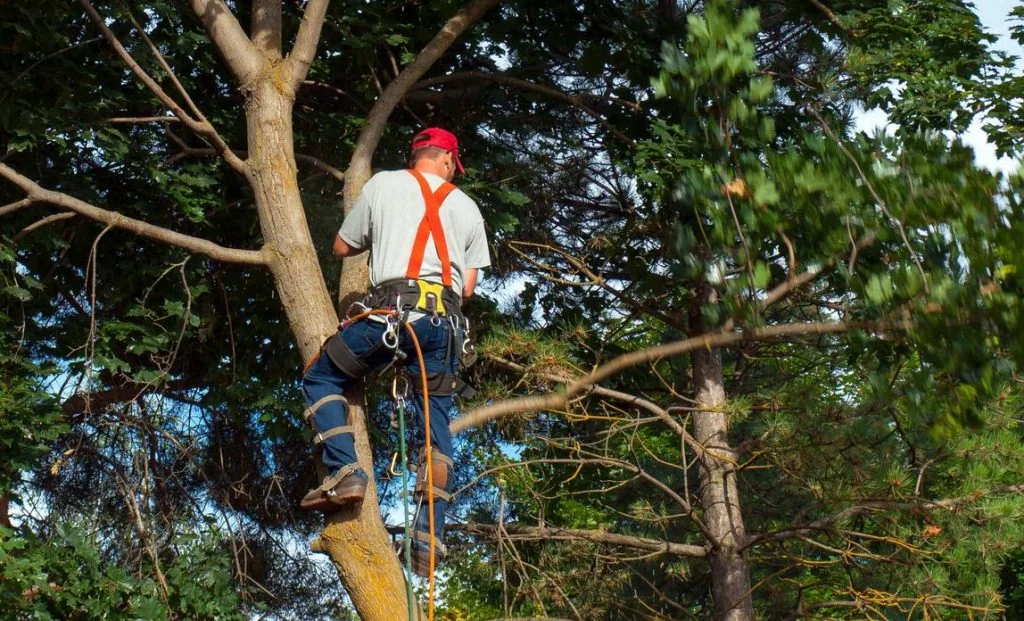
Decide what needs attention
Look at the whole tree from the ground. Note a branch obstructing a route, growth rubbing against a structure or damage that concerns you. Take an overall photograph and a closer view only from a safe position. Do not climb, pull at a damaged limb or stand beneath it to improve a photograph.
Some healthy trees need little regular pruning. Cutting without a purpose can remove flowers or fruiting wood and create unwanted regrowth. If a substantial change is being considered, describe the problem to the tree surgery team before choosing a reduction or removal.
Keep small garden jobs within reach
Limit a garden tidy to light growth that can be reached and controlled safely while standing on the ground. Use a suitable sharp hand tool and follow its instructions. A branch that is heavy, under tension or difficult to hold is not a small job merely because a saw can reach it.
Leave climbing, chainsaws, large limbs and work near buildings, roads or overhead services to an appropriately qualified tree professional. Keep people and pets away from an affected area. An immediate danger needs the relevant emergency or utility response; an ordinary gardening enquiry is not an emergency-service booking.
Identify the tree before choosing a date
Pruning timing depends on species, condition and the reason for the cut. A general winter rule is not suitable for every tree. Cherries, plums and other species vulnerable to silver leaf need particular attention to timing. Use the RHS tree-pruning guide and its silver leaf advice to check the plant concerned.
Do not set a target percentage of canopy to remove without assessment. A figure used in a general article is not a safe allowance for every tree. The amount and position of growth removed should follow a clear, tree-specific purpose.
Check ownership, protection and wildlife
Establish who owns the tree and who can authorise work. Check with the relevant council for tree preservation orders and conservation-area requirements before pruning or removal. Private ownership does not settle those questions. Share any existing permission or report with the contractor and keep the proposed operation consistent with what has been agreed.
Look for nesting activity in trees, hedges and climbers. Nests in use or being built are protected; a calendar date does not establish that the particular growth is clear. Defer affected work and obtain appropriate advice if uncertain. Do not move a nest to make room for a planned appointment.
Make a limited, deliberate cut
For a suitable small branch, identify the branch collar before cutting. Avoid cutting flush into the trunk or leaving a long projecting stub. Stop if you cannot recognise the correct point, control the branch or keep your footing. A doubtful cut can wait for advice.
Step back between cuts. Check whether the original obstruction has been addressed before taking off more growth. For ordinary shrubs and low hedges, discuss identification and timing during garden maintenance ; substantial tree work should have its own scope.
Agree what happens to the cuttings
Pruning produces material that needs a safe carrying route and a clear destination. Ask the quote to distinguish cutting, removal and any stump work. Keep suitable material only if there is a practical place for it; do not leave branches across a path or a neighbour’s access.
If accumulated growth is preventing access to the rest of the garden, a separate garden clearance visit may help establish the next stage. Agree retained plants, waste volume and follow-up work before the job begins.